Engineered for texture optimization, superior emulsification, and nutritional performance.
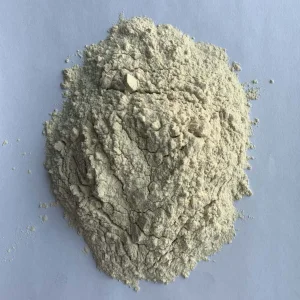
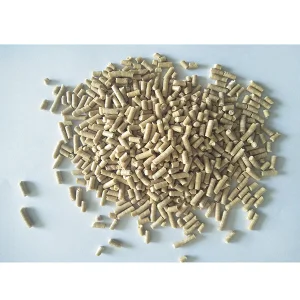
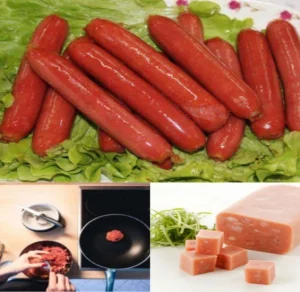
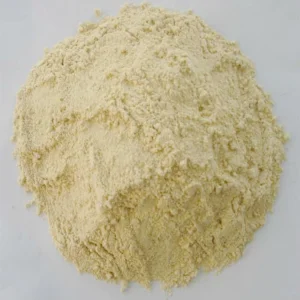
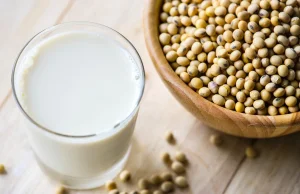
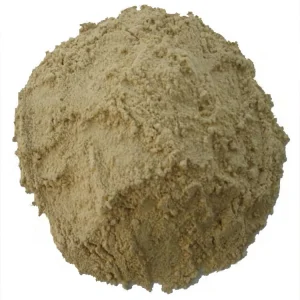
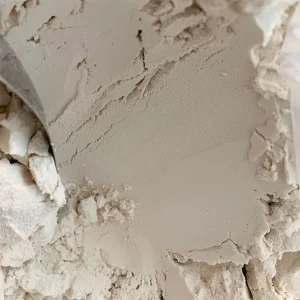
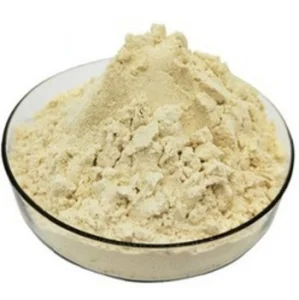
The global shift toward plant-based nutrition and organic food alternatives is no longer a niche trend; it is a full-scale macroeconomic paradigm shift. Driven by environmental imperatives, resource conservation, clean-label requirements, and clinical research proving the health benefits of plant-derived diets, global food manufacturers are rewriting their ingredient decks. Plant-based proteins—primarily isolated soy protein (ISP), vital wheat gluten (VWG), and agricultural dietary fibers—are the foundations of this structural revolution.
In mature markets such as North America and Western Europe, consumer demand is shifting from basic meat mimics to clean-label, high-performance, functional products. Food processing companies require ingredients that do not merely replace meat or dairy, but replicate their precise organoleptic properties: water-holding capacity, fat binding, elasticity, emulsion stability, and neutral flavor profiles. This has driven high demand for technical grades of isolated soy proteins and specialized wheat starches.
Simultaneously, emerging economies across Asia-Pacific and Latin America are showing double-digit growth in plant-protein consumption. Rapid urbanization, increasing disposable income, and modern distribution channels have made soy and wheat proteins popular choices for enriching everyday food matrices, from dairy alternatives to traditional protein-enriched staples.
To satisfy this global demand, manufacturing scale must be matched with advanced technological processing. Xinrui Group—comprising Guanxian Xinrui Industrial Co., Ltd., Shandong Kawah Oils Co., Ltd., and Guanxian Ruichang Trading Co., Ltd.—stands at the absolute forefront of global plant protein processing. Located in Guanxian, Shandong, China, our integrated manufacturing plants demonstrate how scale, technological innovation, and circular economic systems combine to create massive procurement advantages for global enterprises.
At Guanxian Xinrui Industrial Co., Ltd., we process 500,000 tons of high-grade wheat flour annually. Our facility is equipped with imported tri-canter separation technology, representing the most advanced mechanical separation design globally. The production line operates as a clean, fully enclosed loop. Through this process, wheat is fractionated into high-purity vital wheat gluten, wheat starch A, and wheat starch B. The residual starch B and pentosans are then funneled directly into our alcohol and animal feed production processes.
By transforming raw materials into high-value functional products and recapturing waste streams, we drastically reduce unit-level carbon emissions and utility costs. This high degree of vertical integration allows us to keep pricing highly competitive, even during global supply chain disruptions.
“Our circular economy is supported by our own cogeneration plant, which supplies heat, electricity, and gas directly to our production lines. This keeps utility costs stable and helps shield our international B2B partners from regional energy price volatility.”
Established in 2014 with 120 million Yuan in registered capital, Shandong Kawah Oils Co., Ltd. processes 180,000 tons of strictly Non-GMO raw soybeans annually. The facility uses a continuous extraction process to produce high-purity isolated soy protein (ISP) and soy dietary fiber (SDF). The facility features a single spray drying tower system imported from DACHUANYUAN, which is the largest single production line in China. This system ensures consistent particle size, reliable hydration, and uniform protein characteristics across every batch.
Different markets have highly specific culinary and regulatory needs. Xinrui Group has developed specialized protein grades designed to fit these diverse local applications:
As the market matures, B2B food developers are prioritizing several key trends:
1. Strict Non-GMO and Traceability Requirements: Concerns over chemical residues and genetically modified organisms have made Non-GMO status highly important. Xinrui Group manages its own wheat and Non-GMO soybean planting bases, ensuring full supply chain traceability from farm to factory.
2. Sustainability Metrics: Major multi-national food brands must meet science-based sustainability targets. Purchasing raw materials from factories that utilize circular manufacturing and cogeneration systems helps reduce Scope 3 emissions.
3. Clean Label Functionality: Food formulators are trying to eliminate chemical texturizers like methylcellulose. Utilizing high-performance natural hydrocolloids, such as vital wheat gluten and functional soy protein isolates, allows them to achieve clean-label textures without sacrificing product stability.
We believe in absolute transparency. Below are actual video insights into our state-of-the-art manufacturing facilities, showcasing our processing equipment, packaging lines, and laboratory control rooms:

Guanxian Xinrui Industrial Co., Ltd. was established in 2007 with 100 million Yuan in registered capital. It processes 500,000 tons of wheat flour annually, utilizing modern tri-canter separation to produce gluten and starches in a fully closed loop.
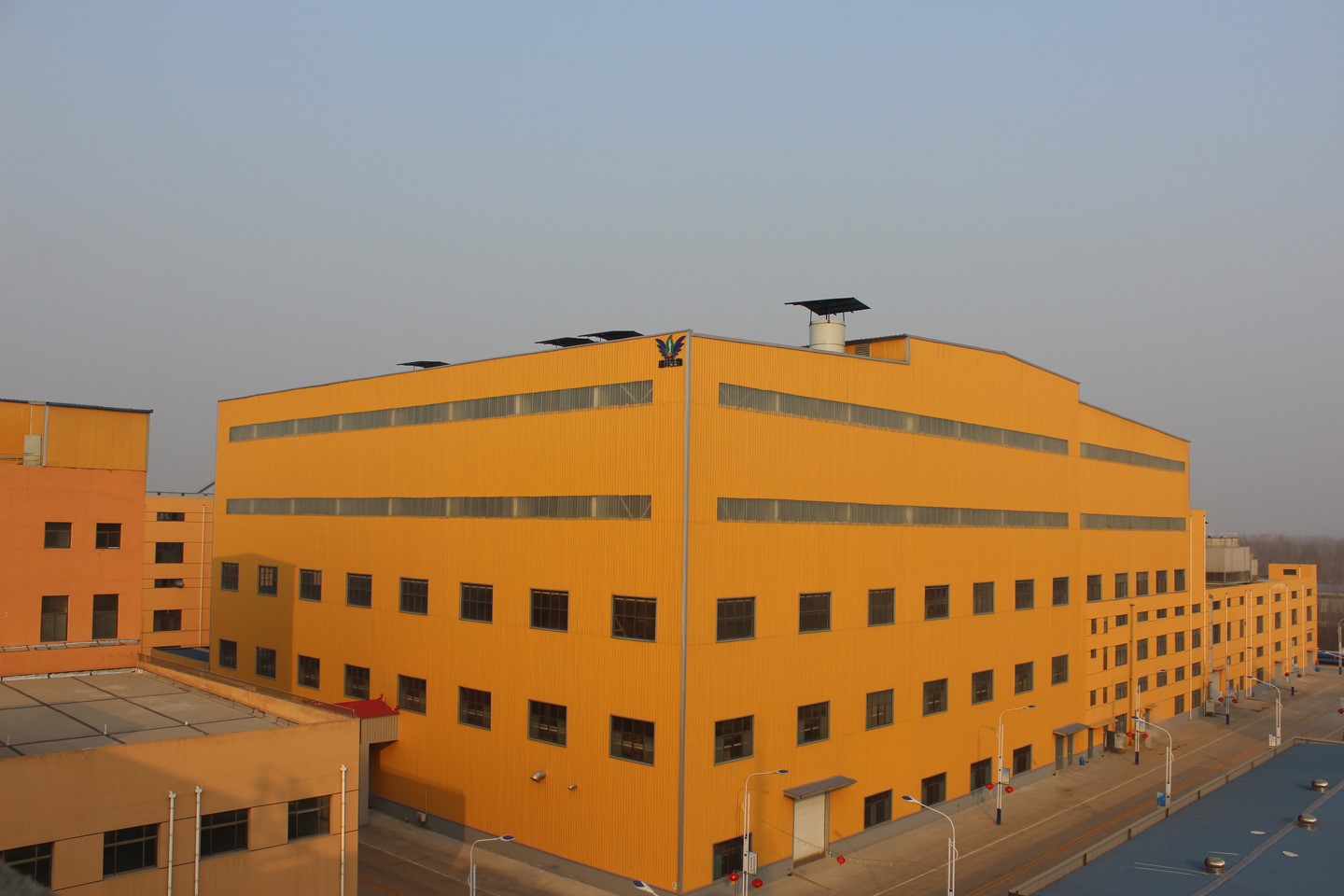
Shandong Kawah Oils Co., Ltd. was founded in 2014 with 120 million Yuan in registered capital. As a leading provincial agricultural enterprise, it processes 180,000 tons of Non-GMO soybeans into high-purity isolates and fibers.
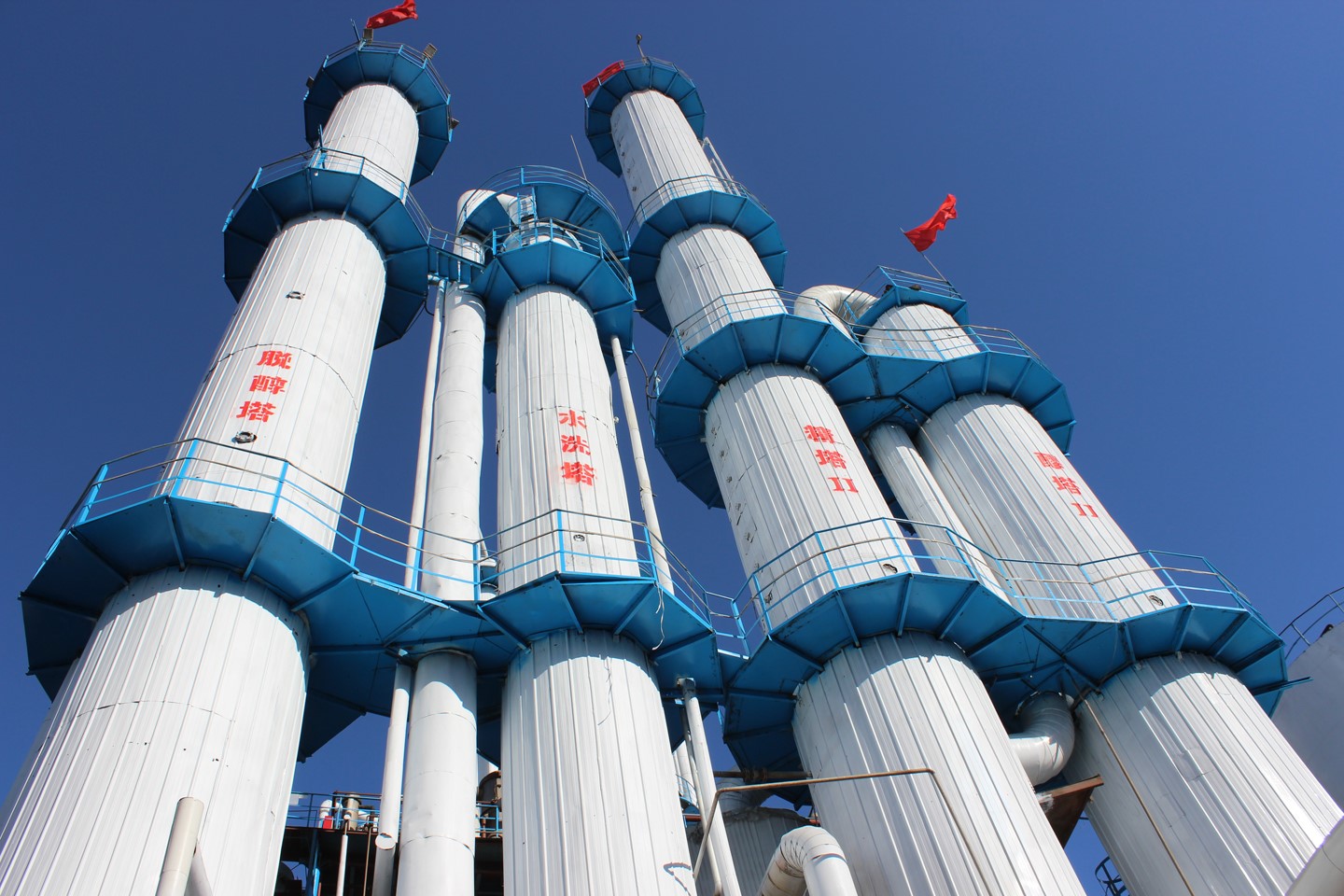
Guanxian Ruichang Trading Co., Ltd. founded in 2011, handles group exports. Over 70% of the group's production is shipped directly to global customers, providing seamless industry and trade integration.
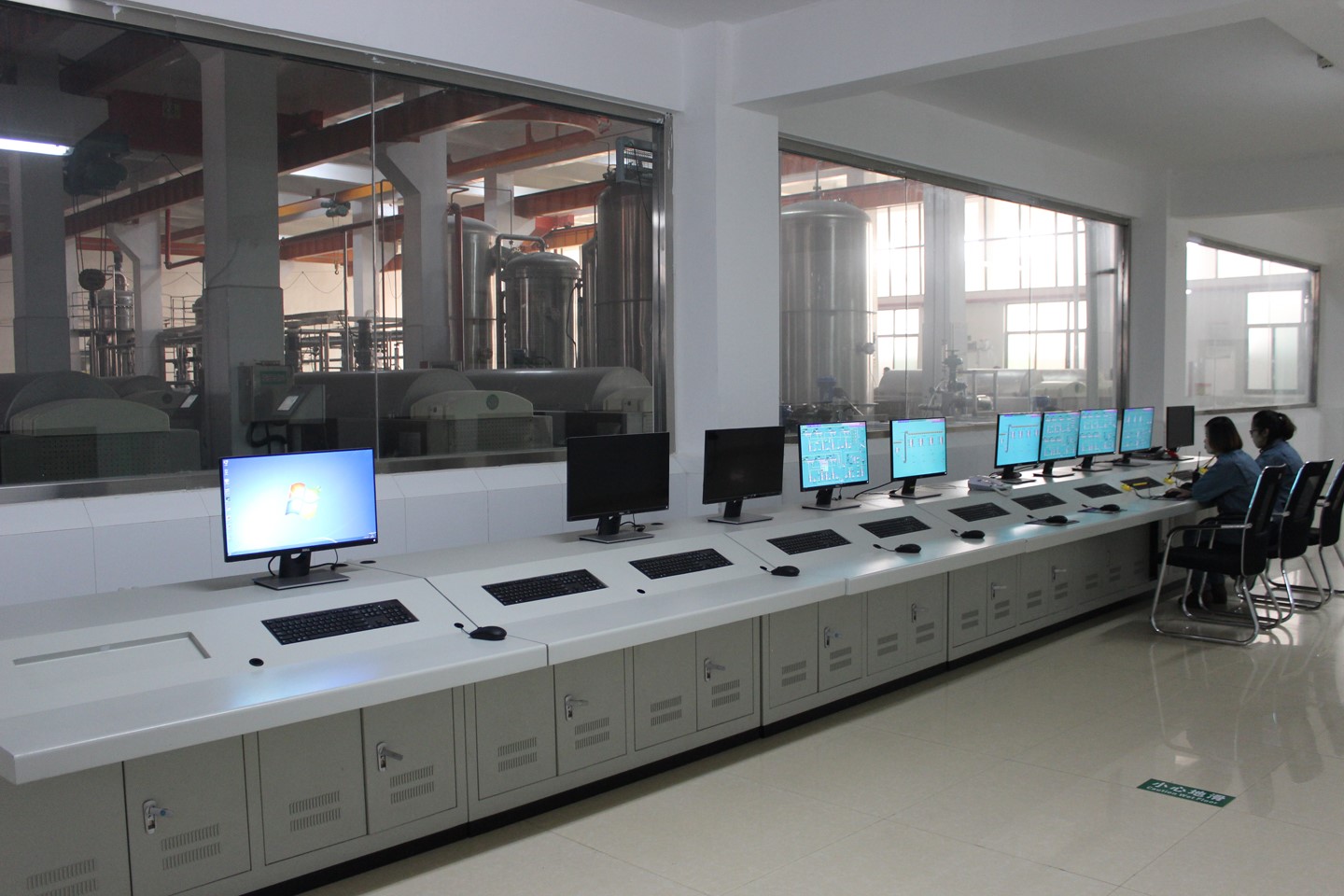
Xinrui Group Industrial Complex: An aerial view of our vertical manufacturing units, cogeneration facilities, and grain silos.
Entering international food markets requires meeting strict safety regulations. Xinrui Group holds comprehensive certifications that allow our plant proteins and food substitutes to clear regulatory systems worldwide. Below are our official certifications:
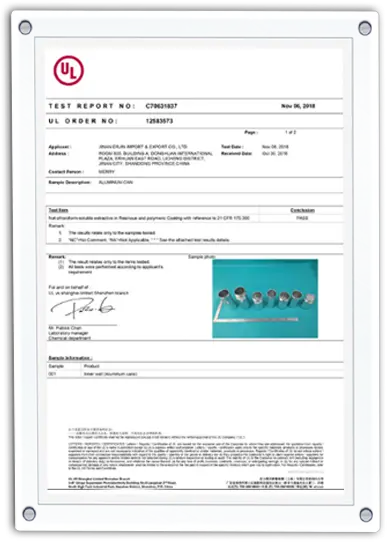
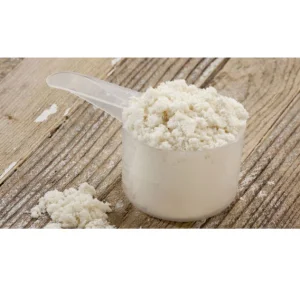
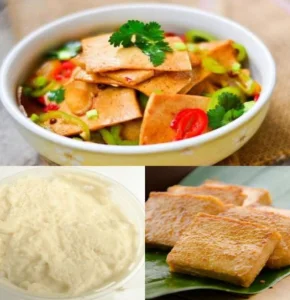
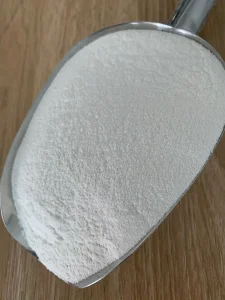
High-purity ingredients optimized for clean label formulations, dietary fortification, and industrial applications.
 Xinrui Group