Optimized soy proteins for brine injection, emulsification, and texturizing, catering to the unique production standards of Peruvian food manufacturers.
Peru's meat and food processing sector has experienced rapid modernization over the past decade. Driven by rising urbanization in metropolitan areas such as Lima, Arequipa, and Trujillo, consumer demand for processed poultry, cold cuts, and packaged sausages has surged. In response, food scientists and plant managers are turning to advanced functional ingredients to balance cost efficiency, structural integrity, and nutrition.
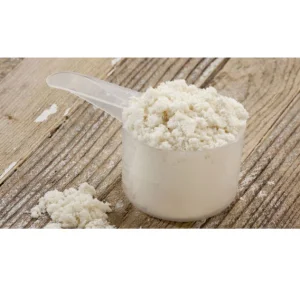
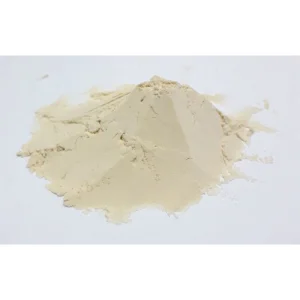
As a premier **Injection Type Isolated Soy Protein supplier and factory**, we focus on delivering high-performance, non-GMO soy protein isolates engineered specifically for brine injection processes. Our proprietary formulations, such as the **9020, 9026, and 9028 series**, address the core physical demands of modern Peruvian curing lines: rapid dispersion without clogging injector needles, low viscosity under cold brine conditions, and excellent water-binding capacity after thermal processing.
Unlike standard soy isolates, which swell immediately upon contact with water, our specialized Injection Type protein features controlled hydration kinetics. It remains fluid at high solids concentrations in cold brines, allowing uniform distribution throughout muscle fibers before swelling and forming a robust gel network during thermal processing.
Isolated Soy Protein (ISP) is not a single product; it is a highly engineered ingredient family. Understanding the molecular distinction between injection-grade and emulsion-grade proteins is key to optimizing production runs:
| Functional Parameter | 9020 / 9028 Injection Type | 9007B-C Emulsion Type | 9003B Tofu & Veg Type |
|---|---|---|---|
| Cold Viscosity (1:6) | Low (50 - 150 cPs) | High (5000+ cPs) | Moderate (1500 - 3000 cPs) |
| Dispersion Rate | Instant, low dust | Medium, swells quickly | High swelling |
| Salt Tolerance | Excellent (stable in 5-8% NaCl) | Moderate | Low |
| Main Applications | Injectable ham, bacon, poultry | Sausages, meatballs, luncheon meat | Tofu, vegetarian patties, plant meat |
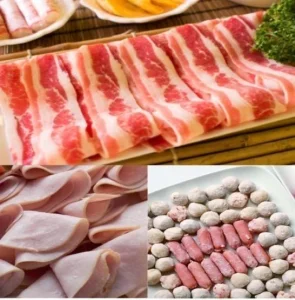
The Peruvian meat industry exhibits distinct consumption patterns that dictate how non-GMO soy protein isolates are utilized. Incorporating these functional ingredients optimizes yields and improves texture across key product categories:
Cured hams require high-yield brine injection. Injection Type 9020/9028 can be dissolved directly in the curing brine along with phosphates and carrageenan. By injecting up to 40% brine into the pork muscle, processors achieve tender textures, reduce syneresis during retail display, and keep slicing yields high.
Peruvian-style breakfast sausages and hot dogs require balanced emulsification. Using **9007B-C Meat & Emulsion Type** alongside soy dietary fiber allows manufacturers to bind free water and animal fat, creating a firm bite and stable texture during subsequent grilling or boiling.
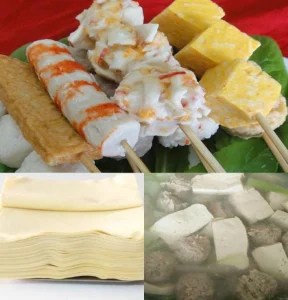
With Peru being a top global fishing nation, soy protein isolates are increasingly used in canned fish preparations, surimi, and seafood patties. They absorb free liquid, prevent lipid oxidation, and stabilize fish emulsions during high-temperature retort sterilization.
Our manufacturing division, **Shandong Kawah Oils Co., Ltd** (under the parent umbrella of the **Xinrui Group**), represents a major advancement in global food ingredient production. Established in 2014 with a registered capital of 120 million Yuan, our facility processes 180,000 tons of NON-GMO soybeans annually.
At the center of our operation is a massive spray drying tower supplied by **DACHUANYUAN**, featuring a single-line capacity that ranks among the largest in China. Through automated process control, we maintain consistent particle size, hydration properties, and protein purity across every batch.
Our circular economy design links flour processing, non-GMO soybean crushing, protein isolation, and dietary fiber production. This vertical integration buffers our clients from market price volatility, ensuring reliable supply, competitive pricing, and traceablity for imports to Peru.
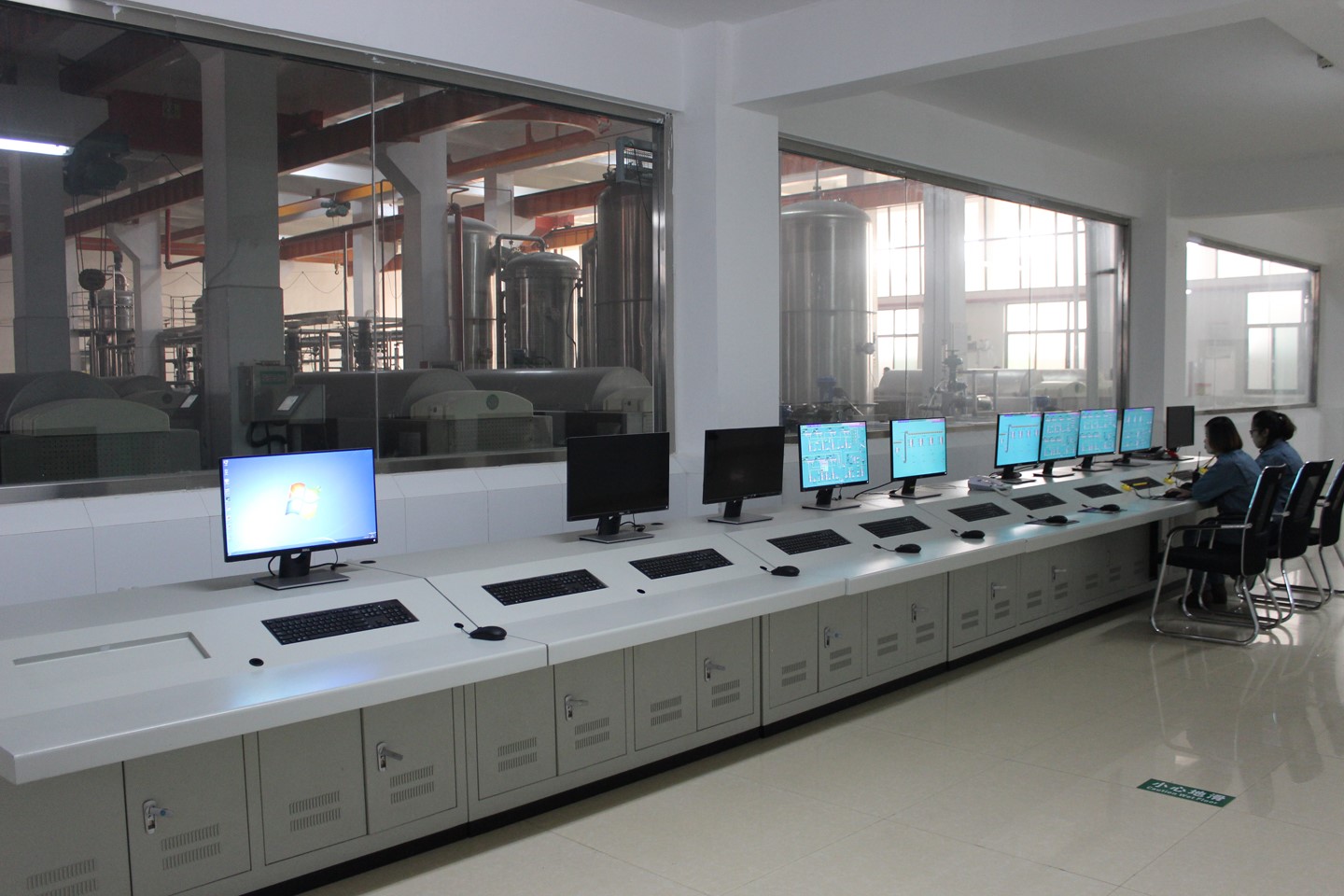
For food manufacturers in Peru, regulatory compliance and safety assurance are paramount. Importing ingredients requires proper documentation for DIGESA registration, SENASA clearances, and strict adherence to retail quality audit standards.
Our facilities hold comprehensive international certifications to streamline customs entry and satisfy QA protocols:
Strict tracking from seed sourcing to processing ensures zero GMO contamination, certified by SGS identity preservation audits.
Certified under BRC GS and ISO 22000 food safety management systems, verifying robust risk control and tracing.
Approved by major religious and dietary authorities, ensuring product purity and broad compliance.
Explore our full line of functional proteins, wheat gluten, and processing starches optimized for international distribution.
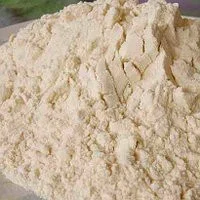
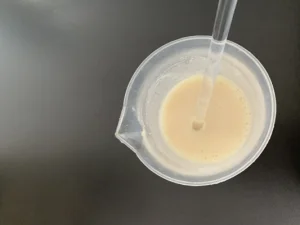
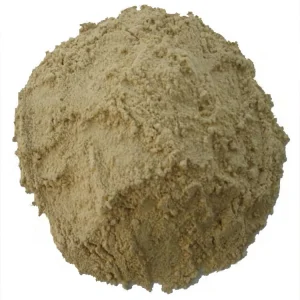
GUANXIAN XINRUI INDUSTRIAL CO., LTD. (formerly known as GUANXIAN RUIXIANG BIOTECHNOLOGY DEVELOPMENT CO., LTD) was established in 2007 with a registered capital of 100 million Yuan. The company processes 500,000 tons of wheat flour annually, utilizing advanced tri-canter separation technology to manufacture high-yield vital wheat gluten and starch variants. Starch-B and pentosans are integrated into downstream alcohol and animal feed production, forming a zero-waste, closed-loop circular industrial chain.
SHANDONG KAWAH OILS CO., LTD. was established in 2014 with a registered capital of 120 million Yuan. As a key agricultural enterprise, Kawah Oils processes 180,000 tons of NON-GMO soybeans annually. Employing advanced physical extraction and spray-drying systems, the plant produces low-temperature soybean meal, isolated soy protein, and dietary fiber, featuring one of the largest single-line dry towers in China.
GUANXIAN RUICHANG TRADING CO., LTD., founded in 2011, serves as the direct export gateway of the Xinrui Group. Ruichang Trading handles global exports of isolated soy protein, wheat gluten, soluble dietary fiber, vermicelli, and ethanol directly to international buyers, representing over 70% of the group's manufacturing capacity to ensure efficient, factory-direct pricing.
 Xinrui Group