 Xinrui Group
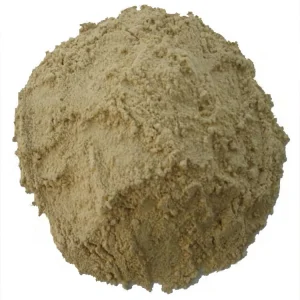
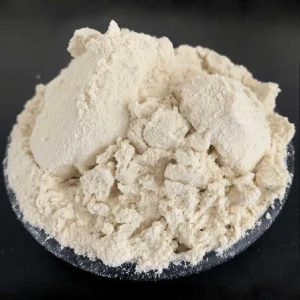
Gel-Emulsion Technology: Transforming the Hamburg Food Manufacturing Ecosystem
In the highly competitive meat processing, vegan alternative, and industrial baking sectors of Northern Germany, product texture, water retention, and mouthfeel are critical metrics. Hamburg, as one of Europe's premier logistics hubs and center of food formulation science, demands highly consistent ingredients. The application of Gel-emulsion type isolated soy protein is key to achieving optimal viscosity, structural stability, and protein enrichment across various food matrices.
As a leading global agricultural processing enterprise, Xinrui Group (comprising Guanxian Xinrui Industrial Co., Ltd. and Shandong Kawah Oils Co., Ltd.) leverages state-of-the-art spray drying and cold-extraction technologies to provide clean-label, high-performance plant protein isolates that comply fully with stringent EU non-GMO standards.
Hamburg’s Local Food Processing Landscape and Technical Challenges
The Metropolitan Region of Hamburg is characterized by a high density of processing facilities specializing in traditional German charcuterie (such as Brühwurst and emulsified sausages) as well as the rapidly growing plant-based meat alternative market. These formulations require protein ingredients that can form stable emulsions under varied thermal conditions. High-energy chopping, mechanical shearing, and heat pasteurization place extreme stress on oil-and-water matrices.
Our gel-emulsion soy proteins solve these issues through excellent emulsifying capacity and thermal gelation properties. When hydrated, the protein forms a highly structured three-dimensional network that traps fat globules and moisture, preventing syneresis and ensuring consistent texture even after freeze-thaw cycles.
By optimizing the ratio of 7S and 11S globulins within our isolated soy proteins via low-temperature processing, we achieve unmatched gelation. The 11S globulin fraction contains abundant disulfide bonds which cross-link during heat processing, creating a firm elastic gel necessary for structural integrity in sliced products.
Macro-Industry Solutions: Global Plant Protein Trends
On a macro scale, the global shift toward plant-based nutrition requires ingredients that offer both clean labeling and functional efficiency. Key issues facing developers include graininess in dairy alternatives, off-flavors in protein-fortified beverages, and the lack of structure in meat replacements. Guanxian Xinrui Industrial Co., Ltd. addresses these global market dynamics through specialized product segmentation:
- Meat and Emulsion Type (9001BW, 9007B-C, 9500): Ideal for emulsified meats and high-yield applications, providing high water and fat binding capacity.
- Chopping and Injection Type (9002B, 9020, 9026): Engineered with low viscosity during initial processing for easy injection into whole muscles, transforming into a strong gel during cooking.
- Vegetarian and Tofu Type (9003B, 9005B): Specifically tailored to yield smooth, highly elastic structures for plant-based cheeses, tofu, and vegetarian convenience meals.
- Beverage and Dispersion Type (9030, 9032): Highly soluble, low-viscosity isolates that disperse easily without sedimentation in ready-to-drink (RTD) plant-based milks.