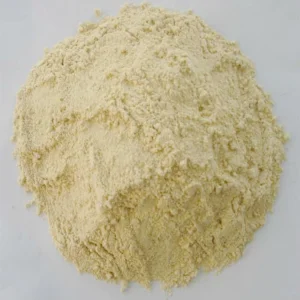
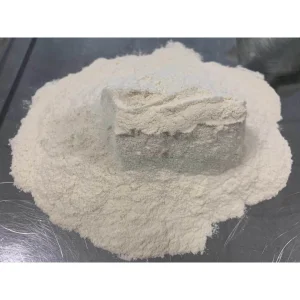
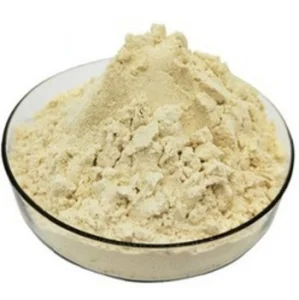
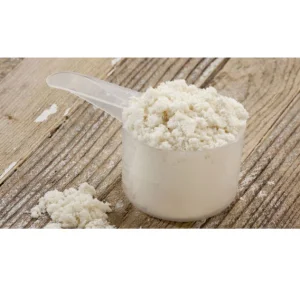
Engineered for instant dispersion and superior mouthfeel in high-shear industrial applications across Germany.
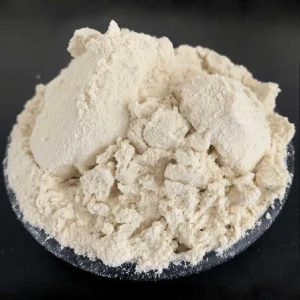
Berlin has evolved into Europe’s premier hub for food technology innovation and clean-label biotechnology. In the wake of Germany’s ambitious sustainability goals and the rapid growth of the flexitarian consumer base, food developers within the Berlin-Brandenburg region are demanding functional ingredients that offer pristine performance without compromising on sensory qualities. Among these ingredients, Dispersion Type Isolated Soy Protein stands out as a critical tool for formulation engineers.
Typically, when standard proteins are integrated into liquid systems, they exhibit poor wetting properties, leading to clumping, sedimentation, and gritty textures. Our specialized dispersion-type soy proteins are molecularly structured to overcome these thermodynamic barriers. By controlling the surface hydrophobicity and adjusting the ionic balance during spray drying, we provide a product that hydrates rapidly in cold water systems, producing stable colloidal suspensions without needing secondary emulsifiers.
As international supply chains face mounting pressures, European procurement managers—particularly those based in Germany, Austria, and Switzerland (DACH region)—must navigate complex regulatory landscapes. The strict enforcement of IP Non-GMO (Identity Preserved) regulations, allergen labeling compliance, and volatile shipping costs place immense strain on raw material sourcing. Our operation, anchored by Shandong Kawah Oils Co., Ltd. and Guanxian Xinrui Industrial Co., Ltd., addresses these challenges head-on.
Rather than relying on spot markets, we utilize a fully integrated circular economy model. We start with certified domestic Non-GMO soybean planting bases in China, processing 180,000 tons of soybeans annually under strict IP control protocols. This complete oversight from seed to spray-dried powder guarantees zero cross-contamination, fulfilling the most demanding requirements of European food retailers and quality inspectors in Berlin.
Every batch of low-temperature food-grade soybean meal is tracked from farm to factory, ensuring complete transparency and compliance with EU Regulation (EC) No 1829/2003.
Equipped with the cutting-edge DACHUANYUAN spray drying tower, we manage particle geometry to achieve instant dispersibility and consistent bulk density.
Modern manufacturing requires more than raw production volume; it demands digital integration and rapid response capability. At Guanxian Xinrui Industrial Co., Ltd., we have incorporated smart manufacturing systems into our tri-canter separation and wheat gluten lines. Our closed-loop circular economy enables us to process 500,000 tons of wheat flour annually, converting waste and starch derivatives into valuable co-products like ethanol and animal feed. This maximizes material efficiency and buffers our production costs against raw material price shocks.
For buyers in Berlin, this means a reliable, year-round pricing strategy and consistent chemical specifications. Through our export subsidiary, Guanxian Ruichang Trading Co., Ltd. (founded in 2011), we manage the shipping logistics directly. By handling over 70% of our group's output in-house, we eliminate intermediate trading markups and ensure direct communication between our R&D scientists in Shandong and plant technicians in Germany.
From modern RTD beverages to traditional German meat-alternative formulations.
Designed for ultra-high temperature (UHT) milk alternatives. It provides stable dispersion without sedimentation, preserving a smooth mouthfeel and clean flavor profile.
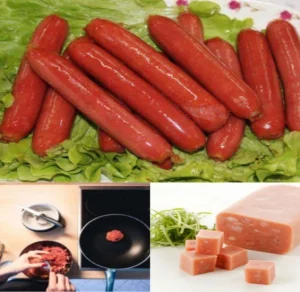
High water-binding capacity and oil-binding index allow developers to formulate stable fat emulsions, essential for German-style vegan sausages (Wurst) and cold cuts.
Optimized NSI (Nitrogen Solubility Index) keeps doughs pliable and prevents protein-fortified snacks from turning hard and dry over their shelf life.
Watch our advanced automated production line and testing laboratories in action.
Xinrui Group Production Overview
Advanced Spray Drying Line Demonstration
Meeting the rigorous food safety expectations of the DACH region markets.
Detailed answers regarding molecular design, delivery logistics, and quality assurance.
We are a fully integrated group company named Xinrui Group. The production of Soy Protein Isolate is executed by Shandong Kawah Oils Co., Ltd. (50,000 tons/year), and Vital Wheat Gluten is manufactured by Guanxian Xinrui Industrial Co., Ltd. (30,000 tons/year). Guanxian Ruichang Trading Co., Ltd. is our dedicated direct-export arm, handling the logistics for all overseas accounts directly from the factory floor.
Standard isolated soy proteins often clump due to high surface tension. Our Dispersion Type (such as the 9030 and 9032 models) undergoes a specialized physical and enzymatic modification during wet processing. This adjusts the electrostatic repulsion between protein molecules, allowing them to rapidly wet, hydrate, and disperse within 10-15 seconds in aqueous solutions under minimal stirring.
We implement a strict Identity Preservation (IP) system audited by third parties like SGS. We trace raw materials back to designated Non-GMO planting bases. Every shipment is backed by quantitative PCR test certificates showing non-detectable levels of GMO events (below 0.1%), matching German and broader European Union food regulations.
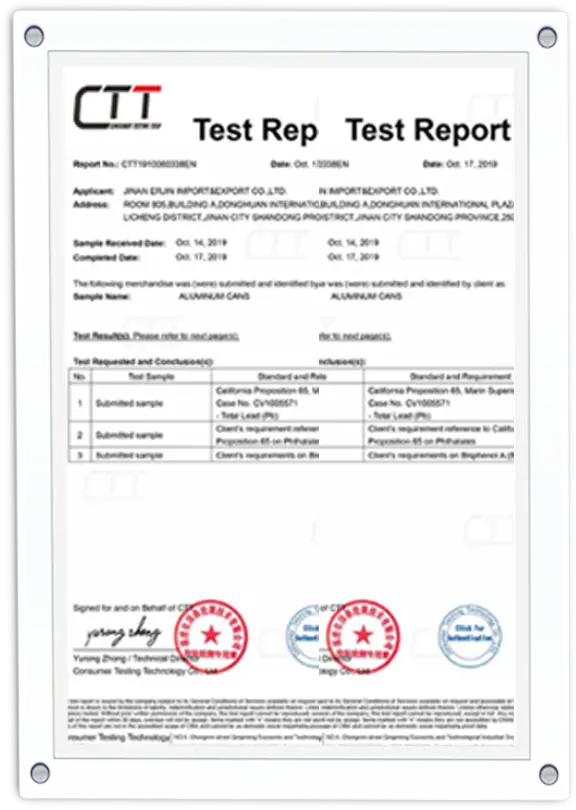
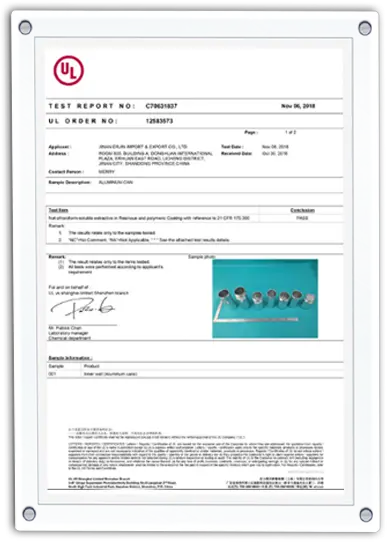
We hold BRC, HACCP, ISO9001, ISO22000, HALAL, KOSHER, and IP Non-GMO certificates. We can provide additional documentation or arrange specific lab tests depending on your market's needs.
For custom production runs, our typical manufacturing cycle is 10–15 days. Ocean shipping to major European ports takes about 30–35 days. We also work with local distributors in Germany to maintain buffer stock in European warehouses for urgent customer demands.
Yes. Our in-house research laboratory can customize the protein's properties to fit your application. We can adjust the viscosity profile (low-viscosity for high-solids beverages, high-viscosity for binders) and modify the mesh size (such as 100-mesh or 200-mesh powders) to optimize your production line.
Engineered for quality, stability, and functional diversity in global food systems.
 Xinrui Group