 Xinrui Group
1. The Food & Beverage Industrial Landscape in São Paulo
São Paulo is the industrial heart of Brazil and the largest food processing hub in Latin America. The metropolitan region, combined with key food cluster cities such as Campinas, Ribeirão Preto, and Sorocaba, is undergoing a profound transformation. Under pressure from shifting consumer demographics, escalating economic demands, and rigorous regional food standards, manufacturers are seeking next-generation functional ingredients. Food technology in this market focuses on clean labels, high nutritional value, cost reduction, and stable supply chains.
The regional transition toward plant-based alternatives and protein fortification is expanding rapidly. Ready-to-drink (RTD) protein shakes, powdered nutritional beverages, yogurt-style soy drinks, and meat-extender solutions are no longer niche categories. They are mainstream segments within supermarkets and health shops throughout the state of São Paulo. Modern processors require ingredients that maintain high performance under challenging thermal cycles, high-shear mixing, and varying pH values.
2. Technical Roadmaps and Future Outlook (2025–2030)
Achieving stable dispersion in liquid systems requires advanced engineering. Our current R&D efforts focus on the relationship between molecular structure and plant protein performance. Standard soy proteins often exhibit poor solubility and a sandy mouthfeel in liquid formulations, particularly near their isoelectric point (pH 4.5). To overcome these limitations, we are optimizing several key parameters:
By using controlled, non-GMO enzymatic hydrolysis, we alter the protein structure to expose hydrophilic groups. This modification increases the Protein Dispersion Index (PDI) to above 90%, preventing sediment formation in liquid matrices even during prolonged storage.
Liquid foods require heat treatments like Ultra-High Temperature (UHT) or pasteurization for food safety. Our 9030 and 9032 series dispersion soy isolates are designed to prevent heat-induced gelation, maintaining a smooth, low-viscosity texture without blocking heat exchangers during processing.
Using proprietary wet-processing and vacuum deaeration steps, we minimize the volatile compounds responsible for beany flavors. This reduction enables food developers in São Paulo to formulate beverages with lower levels of masking agents, supporting cleaner product labels.
3. China Factory 4.0: Supply Chain Resilience and Global Efficiency
Under the corporate structure of Xinrui Group, we manage a vertically integrated agricultural processing ecosystem. Our production facilities include Guanxian Xinrui Industrial Co., Ltd. (established in 2007) and Shandong Kawah Oils Co., Ltd. (established in 2014), supported by dedicated non-GMO planting bases. This integration secures our raw material supply and provides full traceability from seed selection to final delivery in Brazil.
Our plants implement digital quality controls and process automation. Our wheat processing lines use advanced tri-canter separation technology in a clean, enclosed environment to optimize yield and purity. In soybean processing, Shandong Kawah Oils operates a single-line spray drying tower supplied by DACHUANYUAN, providing precise thermal profiling to ensure consistent powder functionality across batches.
4. Localized Support and Mercosur Regulatory Compliance
Exporting ingredients to Brazil requires strict adherence to local regulations. Our export division, Guanxian Ruichang Trading Co., Ltd. (founded in 2011), manages shipping logistics from our factories directly to the Port of Santos. We assist our partners with all documentation required by Brazilian authorities, including ANVISA (Agência Nacional de Vigilância Sanitária) and MAPA (Ministério da Agricultura e Pecuária).
- IP Non-GMO Verification: Our soy proteins are produced from identity-preserved, non-GMO Chinese soybeans. Full traceability certificates are provided for every batch.
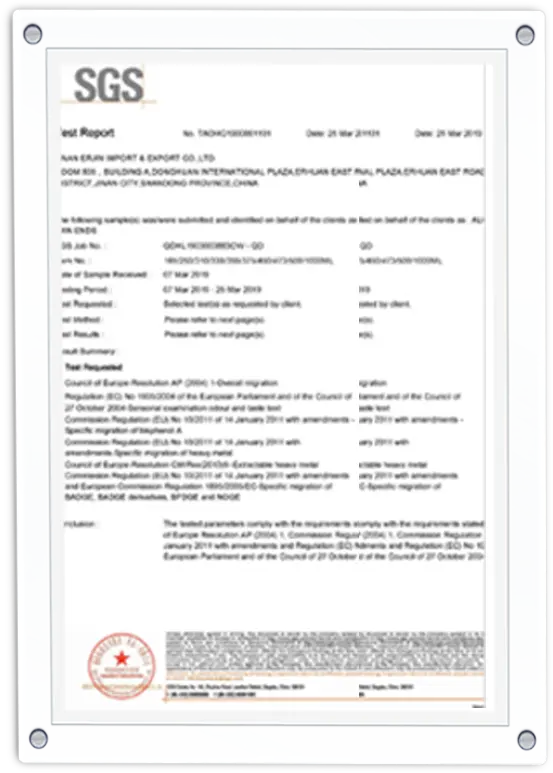
- Hala, Kosher, and BRC Certifications: Our plants operate under certified global food safety standards, easing local QA audits.
- Technical Support: We offer formulation assistance and troubleshooting to help local R&D teams optimize protein stability and mouthfeel.