These high-performing isolates have been explicitly engineered to meet the strict texturizing, water-binding, and regulatory guidelines required by the Japanese processed meat and vegan seafood manufacturers.
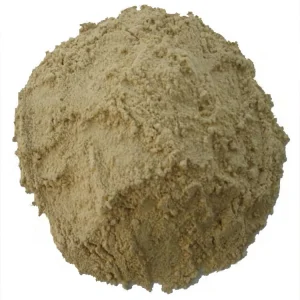
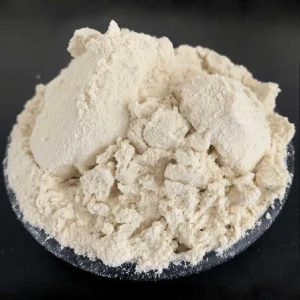
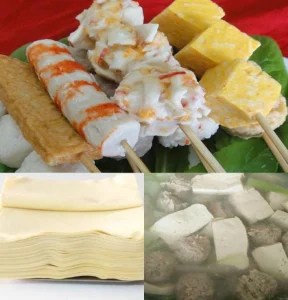
Japan represents one of the world's most sophisticated and safety-conscious food markets. With an aging demographic (nearly 30% of the population aged 65 and older), the local consumer base is shifting rapidly toward functional, high-protein, easily digestible, and sodium-reduced food matrices. This has catalyzed immense pressure on Japanese commercial food processors to re-formulate traditional products such as kamaboko (fish cakes), processed hams, and gyoza fillings with advanced botanical texturizers that maintain structure and bite while reducing animal fat.
Furthermore, the Japanese market maintains exceptionally stringent requirements regarding genetically modified organisms (GMOs). Under the Ministry of Agriculture, Forestry and Fisheries (MAFF) guidelines, IP (Identity Preserved) non-GMO tracing is not just a preference, but a mandatory commercial passport.
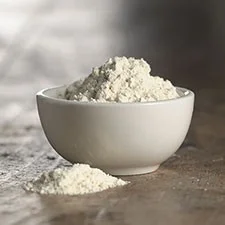
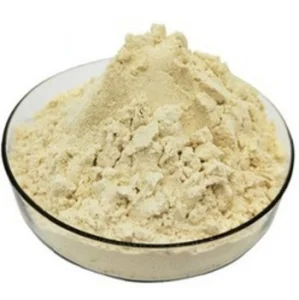
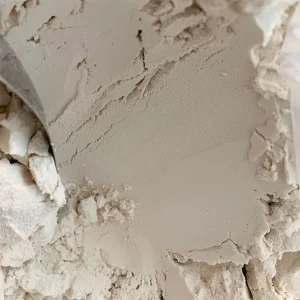
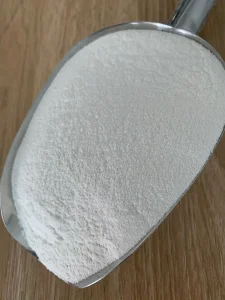
Historically, Japan's soy consumption was concentrated in traditional tofu, miso, and natto. Today, the rise of "Alternative Meat" (daitei niku) and "Hybrid Foods" (combining marine or poultry proteins with soy isolates to lower costs and caloric values) has created a surging demand for Gel-emulsion type Isolated Soy Protein (ISP).
In applications like *shumai*, *gyoza*, and fish-paste *chikuwa*, gel-emulsion soy protein functions as both a cost-stabilizer and an structural enhancer. Processors require ingredients that exhibit absolute stability under rapid freeze-thaw cycles and retort sterilization processes, preventing purge (water loss) and maintaining the elastic texture (known as *ashi* in traditional Japanese surimi processing).
Our proprietary thermal-treatment isolation process unfolds the globulin proteins (7S and 11S fractions), exposing hydrophobic groups that form dense, cross-linked disulfide bonds. This forms a resilient, thermodynamic gel that replicates the chewiness of animal actomyosin.
With an optimal balance of hydrophilic and lipophilic surfaces, our gel-emulsion type protein binds oil and water in a stable 1:5:5 or 1:6:6 ratio. Even when subjected to high-shear chopping and thermal treatment, fat separation is virtually eliminated.
Specifically formulated for retorted foods and canned meats popular in Japan, our ISP retains its structural water-holding capacity even after sterilization at 121°C for 20 minutes, ensuring zero loss of product yield.
Under the umbrella of the Xinrui Group, our production assets leverage integrated circular economies and digital manufacturing intelligence. Established in 2007, our group deeply processes over 500,000 tons of wheat flour and 180,000 tons of soybeans annually. By integrating cogenerated heat, gas, and electricity, we operate with a self-sufficient energy loop that buffers us from utility rate shocks, allowing us to offer stable, long-term contract pricing to Japanese food trading houses.
Our soybean processing plant, Shandong Kawah Oils Co., Ltd. (established in 2014), houses China's largest single production line for isolated soy protein, featuring the cutting-edge DACHUANYUAN spray drying tower. From our vast domestic non-GMO soybean planting bases to final packaging, every step is traced. Our smart factory relies on real-time PLC monitoring of temperature, pH, extraction rates, and spray-drying viscosity, guaranteeing consistent batch-to-batch protein performance.
Our strategic base in Shandong provides direct access to Qingdao Port. We offer daily routes to Yokohama, Osaka, Kobe, and Tokyo, achieving standard transit times of just 2 to 4 days. This geographic proximity minimizes the required buffer stocks for Japanese importers, aligning seamlessly with Just-in-Time (JIT) warehouse methodologies.
Unlike general suppliers, our soybean supply chain is completely segmented. We enforce a zero-contamination policy from seed selection to container sealing. Through SGS validation and IP (Identity Preserved) non-GMO certification, we satisfy the utmost rigorous clearance tests imposed by Japanese customs.
In traditional fish-paste processing, our gelation-type protein acts as a secondary binding network. It preserves the elastic structure (ashi) when mixed with pollock or threadfin bream surimi, mitigating texture loss due to freeze-thaw cycles and thermal pasteurization.
For mass-produced frozen gyoza, oil and water separation can degrade the dough casing over time. Our emulsion-type ISP holds the juices and fats firmly inside the meat fill matrix, creating a juicy, premium mouthfeel when steamed or fried by the end-consumer.
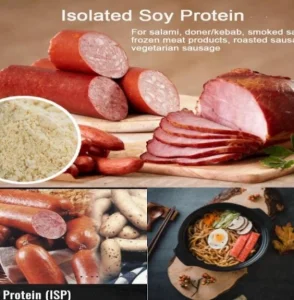
Widely used by Japanese meat packaging companies to structure hybrid and standard meat emulsions. By implementing a stable protein gel structure, processors can replace expensive animal lean meat and fats, significantly decreasing formulation costs without losing the snap of the sausage casing.
GUANXIAN XINRUI INDUSTRIAL CO., LTD. (formerly known as GUANXIAN RUIXIANG BIOTECHNOLOGY DEVELOPMENT CO., LTD) was established in 2007 with a registered capital of 100 million Yuan. Utilizing advanced tri-canter separation technology imported for our wheat gluten production line, we process over 500,000 tons of wheat flour annually. Our integrated circular economy chain converts raw wheat into high-grade wheat gluten, wheat starch A, wheat starch B, and utilizes the residual pentosan for alcohol and animal feed production. Our equipment, output capacity, and engineering standards rank among the top tier in national food biotechnology.
To drive direct international market penetration, GUANXIAN RUICHANG TRADING CO., LTD. was founded in 2011 with a registered capital of 6 million Yuan. Handling the integrated trading arm of the Xinrui Group, Ruichang directly exports isolated soy protein, vital wheat gluten, soluble dietary fiber, vermicelli, and ethanol. Currently, over 70% of the group's manufacturing output is exported globally, creating an highly optimized trade loop.
Our dedicated soybean processing base, SHANDONG KAWAH OILS CO., LTD., was established in 2014 with 120 million Yuan of registered capital. As a leading agricultural industrialization enterprise, Kawah Oils integrates plantation, research and development, deep extraction, and direct import/export functions.
Processing 180,000 tons of domestic non-GMO soybeans annually, Kawah Oils extracts non-GMO soybean oil, food-grade soybean meal, isolated soy protein, and dietary fiber in sequence. The core spray-drying technology is supplied by DACHUANYUAN, providing a single-line production capacity that ranks as the largest single isolated soy protein line in China, engineered specifically for high hygiene and zero cross-contamination.

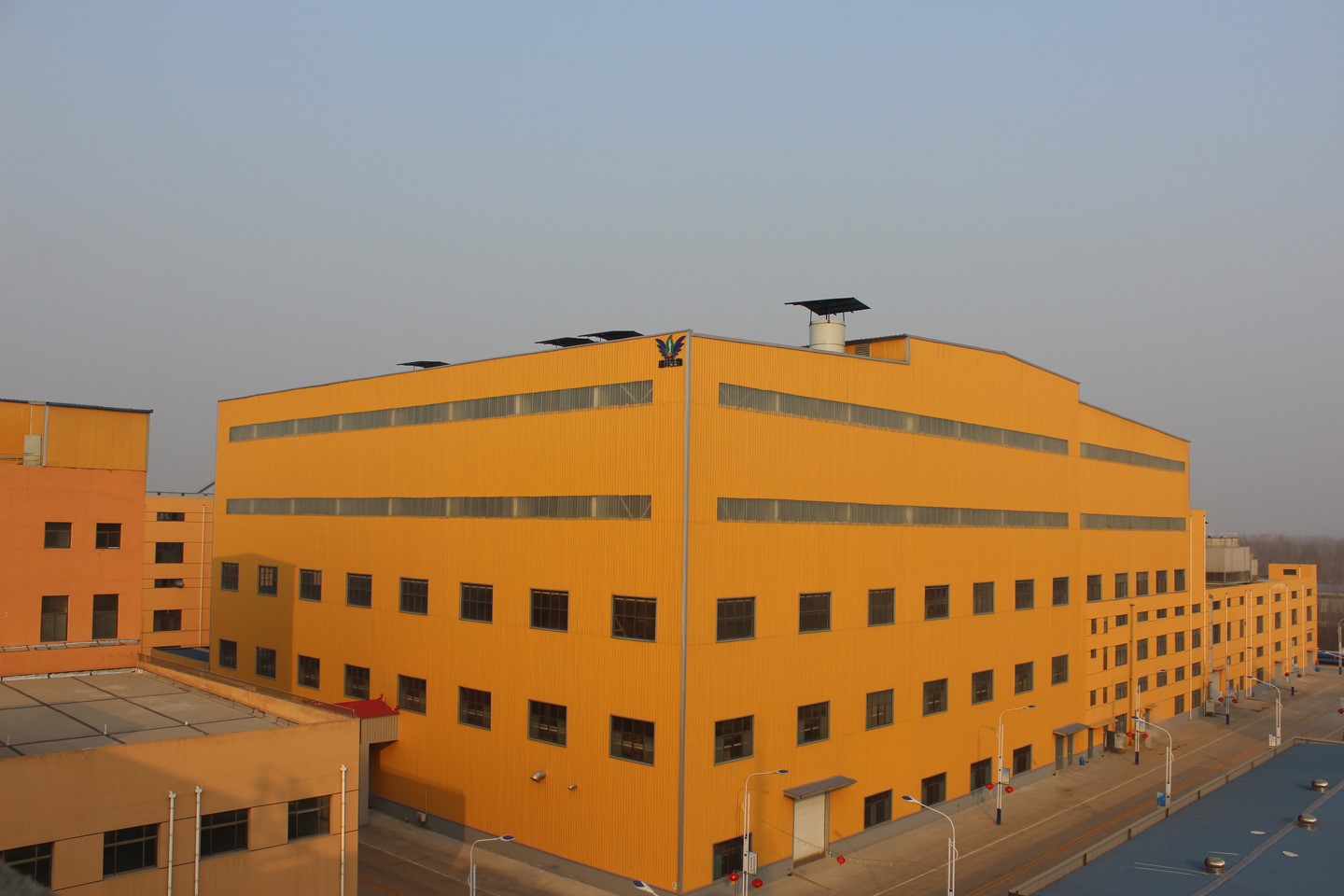
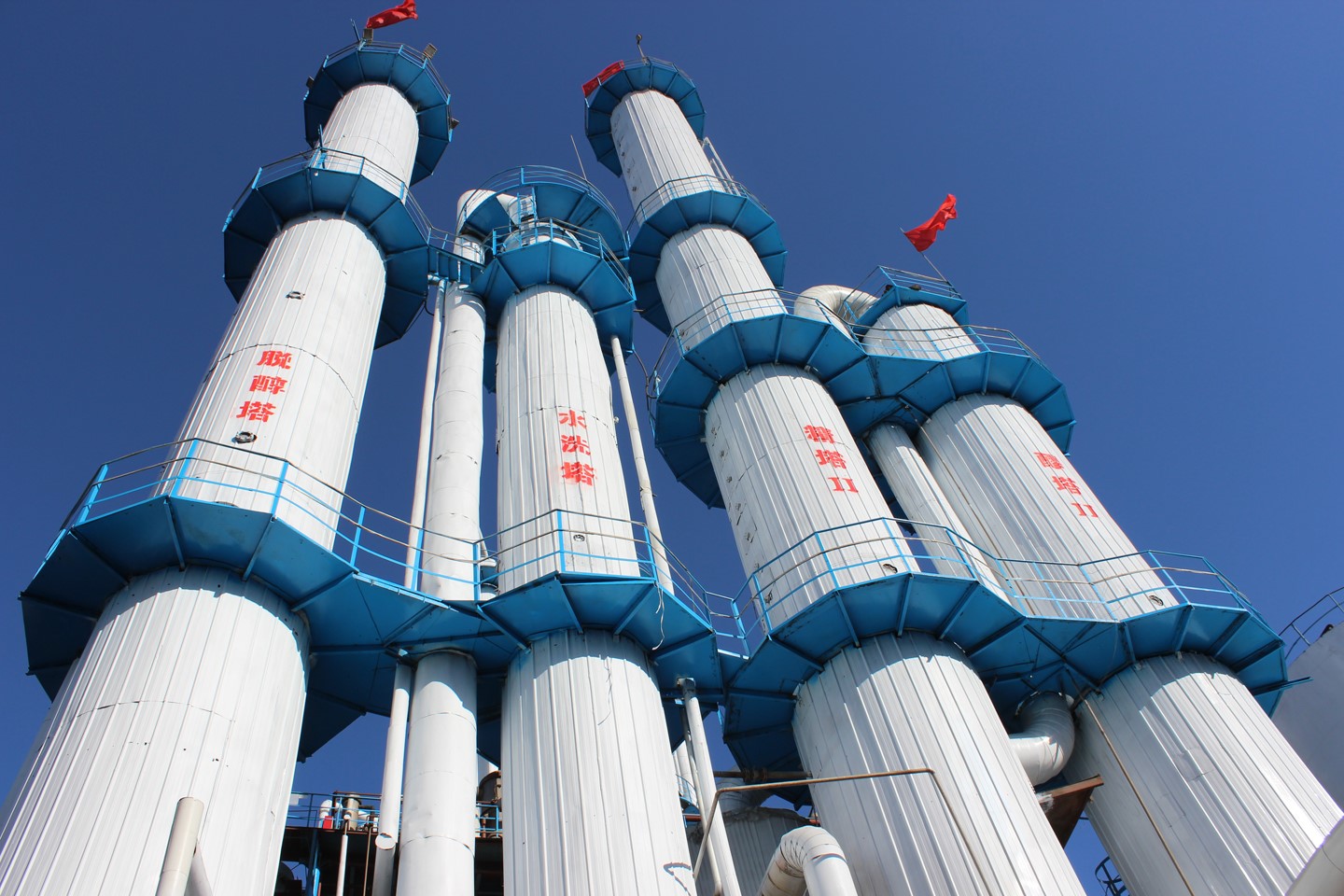
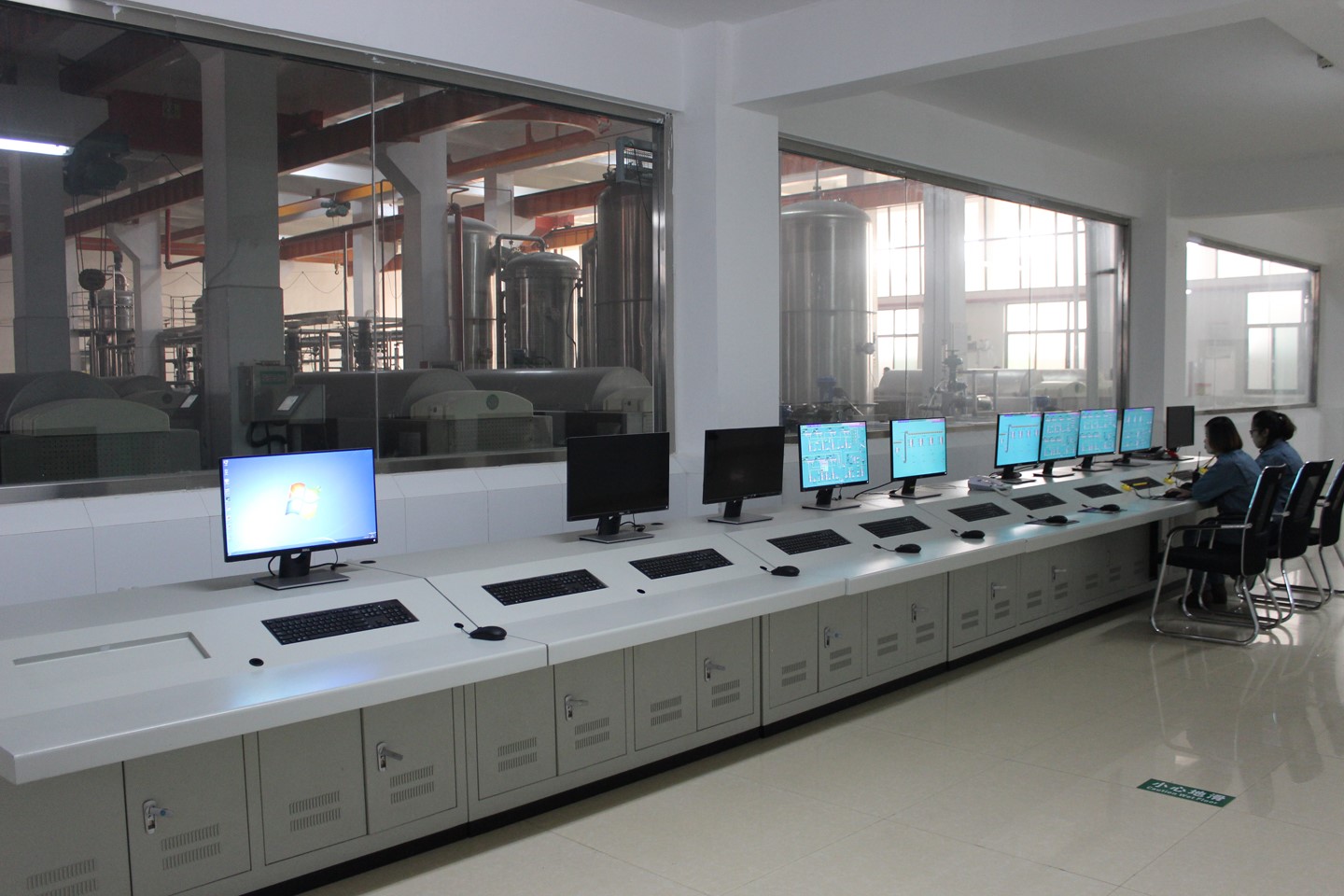
Get an inside look at our industrial layout, automated spray drying, non-GMO farming partnerships, and advanced tri-canter separation processes.
We maintain a zero-tolerance policy for impurities. Our laboratories are equipped with HPLC and microbiological analysis tools to guarantee compliance with Japan's MHLW standards.
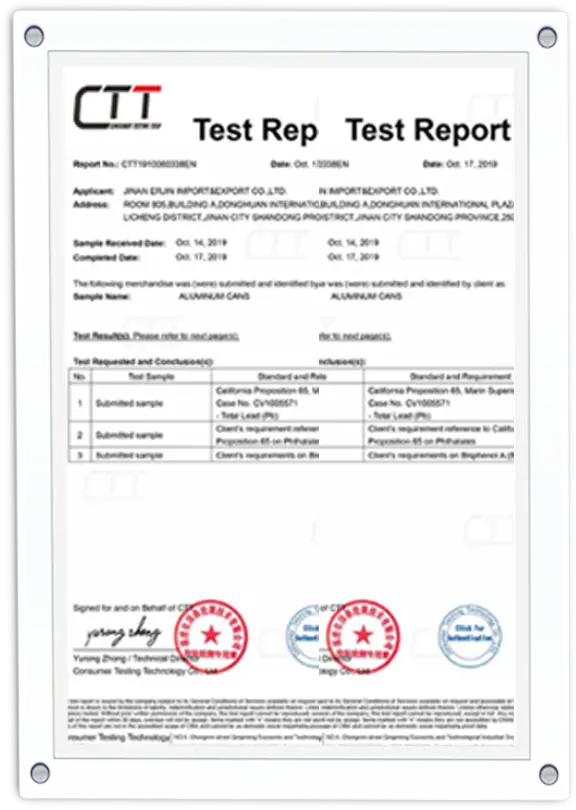
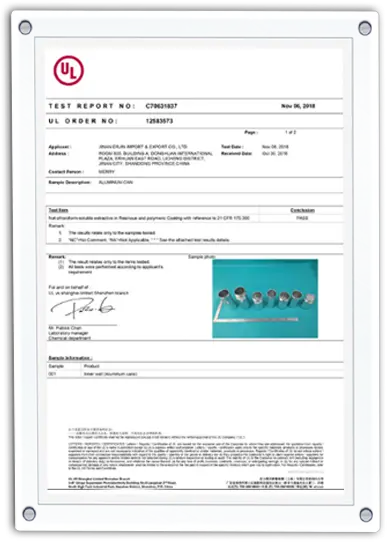
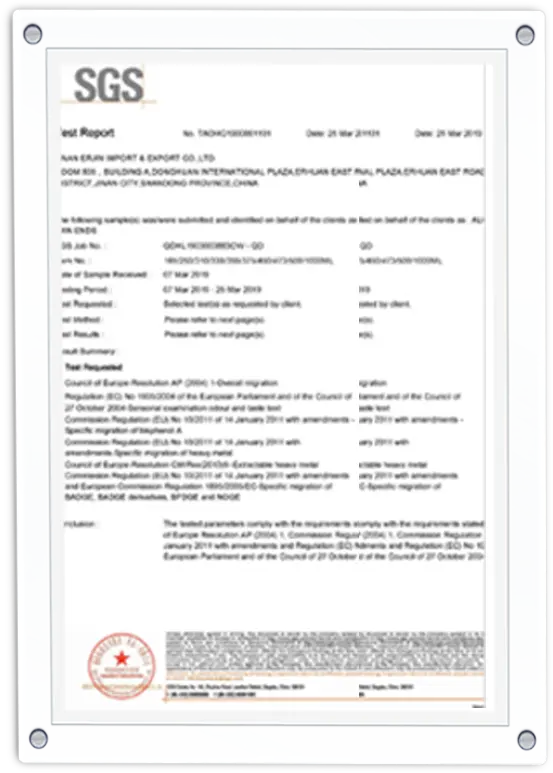

All products utilize raw materials certified as Non-GMO. Use the links below to request specific technical datasheets, COA, and gel-strength parameters.
Get rapid answers regarding compliance, shipping, custom parameters, and factory auditing.
Connect directly with our engineering sales team to request free test samples (2kg/5kg bags) and explore custom logistics pricing for Japan's commercial food centers.
Contact Our Export Director Now Xinrui Group