Choosing among the 7 Best Soy Protein Concentrate Suppliers Worldwide requires more than comparing price lists. Buyers need dependable protein content, clean processing, stable supply, and documented quality controls. A low-cost ingredient can become expensive when flavor varies, dispersibility fails, or shipments arrive late.
Dr. Mark Messina, a leading soy nutrition researcher, has stated, “Soy protein is a complete protein.” That point helps explain why Soy Protein Concentrate remains important in beverages, nutrition bars, bakery products, and meat alternatives. However, protein quality alone does not identify the best supplier. Processing conditions, raw soybean origin, allergen management, microbiological testing, and technical support also deserve close attention.
This guide evaluates international suppliers through practical purchasing criteria. These include protein concentration, product consistency, certifications, application expertise, production capacity, minimum order quantities, and export experience. Some suppliers may excel in large-volume manufacturing, while others offer better customization or regional logistics. No supplier is perfect. That caveat matters.
A serious assessment should examine certificates, specifications, recent test reports, and customer references before any long-term agreement. Factory communication also reveals useful details. Can the supplier explain solubility results clearly? Can it trace a batch from soybean intake to final packaging? These questions separate strong partners from attractive marketing claims. The companies featured here represent credible options, but buyers should still verify current certifications, pricing, lead times, and regulatory suitability for their target market.
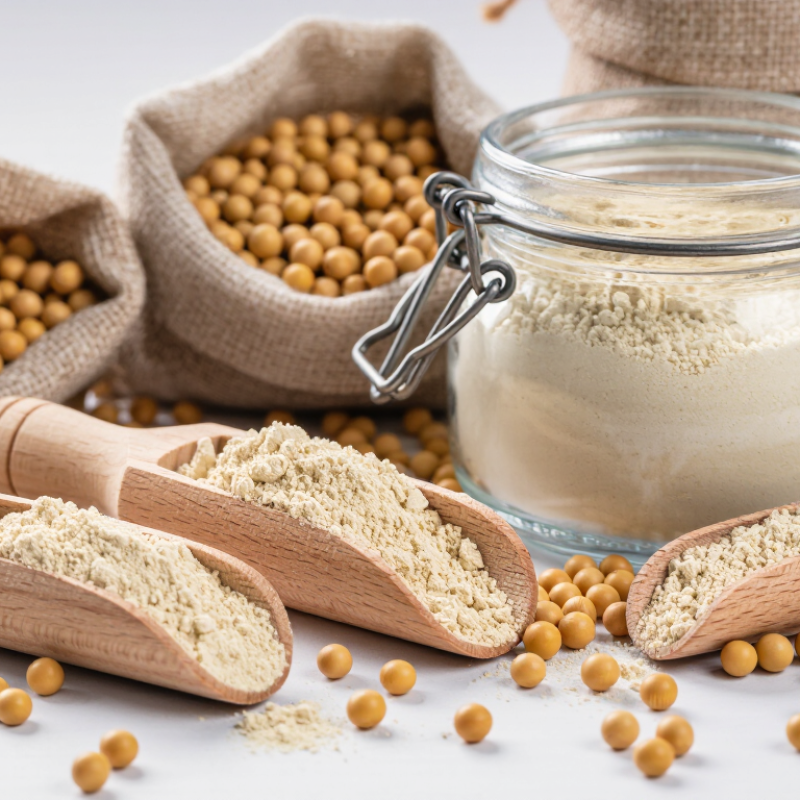
Soy protein concentrate is a plant-based ingredient made from defatted soybeans. Manufacturers remove much of the soluble carbohydrate, leaving about 65–70% protein on a dry basis. It contains more protein than soy flour, but less than soy protein isolate. The powder usually has a pale cream color and a mild, slightly earthy aroma.
Food manufacturers use it for practical reasons. It can improve water retention, emulsion stability, and bite in meat alternatives. In bakery products, it may support protein enrichment and crumb structure. Beverage formulas can also use it, although poor hydration may create sediment or a gritty mouthfeel. Small changes matter. Mixing speed, temperature, and particle size affect performance.
During formulation trials, technicians often test the ingredient in both dry and hydrated forms. A concentrate that performs well in a laboratory beaker may behave differently in large-scale equipment. That limitation deserves attention. Buyers should review protein content, moisture, microbiological results, allergen statements, and batch consistency. Testing for unwanted residues and confirming market-specific compliance also improves reliability. The best choice depends on the final recipe, processing conditions, taste expectations, and cost—not protein percentage alone.
Soy protein concentrate is produced from defatted soybeans by removing part of the soluble carbohydrates. It typically contains at least 65% protein on a dry-matter basis and is used in meat alternatives, sports nutrition, bakery products, beverages, and animal feed because it provides protein enrichment, water binding, emulsification, and improved texture.
The chart shows the seven largest soybean-producing countries supporting global soy-protein-concentrate supply chains. Values are rounded 2024/25 production estimates in million metric tons and do not represent any individual company or brand.
Source: USDA Foreign Agricultural Service, Production, Supply and Distribution database, 2024/25 soybean production estimates.
When comparing the seven best soy protein concentrate suppliers worldwide, evidence matters more than polished catalog language. Start with product specifications, including protein content, moisture, particle size, solubility, and flavor consistency. Ask for recent certificates of analysis from several production lots. One sample can look excellent. Long-term consistency matters more. Experienced buyers should also review technical data with a food scientist or quality specialist.
Evaluate raw-material traceability, processing controls, allergen management, and contamination testing. Reliable suppliers should explain soybean origin, storage conditions, manufacturing location, and batch identification. Independent audits and recognized food-safety systems provide useful confidence. However, certificates do not replace direct questions or trial batches. Check packaging strength, pallet protection, lead times, minimum order quantities, and backup logistics. A low price may conceal unstable freight or high rejection rates. Confirm that documentation supports the regulations of your destination market. Requirements differ.
Tips: Compare at least three production lots, not only three quotations. Test dispersibility in your actual beverage, bakery, or nutrition formula. Record odor, color, sediment, and aftertaste. Ask how complaints are investigated and corrected. Even experienced buyers can overvalue polished presentations. That weakness deserves attention. If answers remain vague, pause the purchase and request clearer evidence. Supplier selection is not perfectly objective, because formulation needs and risk tolerance vary.
The global soy protein market continues to expand. Grand View Research estimates its value at about USD 8.5 billion in 2023, with steady growth expected through 2030. MarketsandMarkets also identifies food texture, nutrition, and clean-label reformulation as major demand drivers. These trends shape the following profiles of seven leading soy protein concentrate suppliers worldwide.
Supplier One operates large crushing facilities near major soybean-producing regions. Its strength is dependable volume and shorter inland transport. Supplier Two focuses on non-GMO sourcing, supported by farm-level documentation and batch traceability. Supplier Three serves sports nutrition manufacturers with high-protein, low-fat concentrates. Its technical team usually provides dispersion and solubility guidance.
Supplier Four specializes in meat alternatives. It develops concentrates with controlled particle size and neutral flavor. Supplier Five supplies beverage companies, where smooth mouthfeel matters most. Supplier Six emphasizes organic certification and separate processing lines. Supplier Seven serves smaller manufacturers through flexible minimum order quantities and regional warehouses.
USDA production data shows soybean supply remains concentrated across a few major agricultural markets. That concentration can reduce costs, but it also exposes buyers to weather, freight, and currency risks. OECD-FAO projections indicate continued growth in soybean demand for both food and feed applications. Still, protein performance is not identical across suppliers. A lower price may hide weaker hydration or inconsistent color. In practice, buyers should request recent certificates, microbiological results, amino-acid data, and pilot samples.
Seven profiles sound clear. Reality is messier.
Comparing the seven best soy protein concentrate suppliers requires more than checking protein percentages. In practical sourcing, I review protein content, moisture, ash, solubility, flavor, and particle size. A clean, mild taste matters in beverages, while stronger dispersibility supports meat alternatives and nutrition powders. Supplier samples should be tested in the final formula, not only in water. That detail is often missed.
Certifications provide useful evidence, but they do not replace verification. Look for HACCP, ISO 22000, and a credible GFSI-recognized food safety system. Non-GMO claims, allergen controls, vegan status, and full batch traceability may also affect purchasing decisions. Ask for current certificates, product specifications, allergen statements, and certificates of analysis. A polished document can still leave questions unanswered. I would also check audit dates and complaint-handling records.
Pricing depends on protein grade, processing method, packaging, order volume, delivery terms, and soybean market changes. The lowest quotation may create higher costs through inconsistent solubility or delayed shipments. Request comparable offers using the same specification and Incoterm.
Supply capacity deserves equal attention. Confirm monthly output, standard lead time, safety stock, port options, and backup production plans. Some suppliers offer impressive annual figures, yet their available capacity may shrink during peak demand. Small trial orders reveal more than promises. Review three consecutive batches before approving long-term supply, because one excellent sample is not enough.
Choosing a soy protein concentrate supplier requires more than comparing prices. The USDA’s October 2024 WASDE report estimated global soybean production at about 428 million metric tons for 2024/25. Large supply does not guarantee consistent concentrate quality. Ask for recent certificates of analysis, showing protein, moisture, ash, microbiological limits, and allergen controls. A reliable supplier should also explain soybean origin and processing conditions. Ask for the batch record.
Check whether the material fits your application. Food manufacturers may need neutral flavor, fine powder, strong water absorption, or stable performance in meat alternatives and beverages. Codex Alimentarius guidance supports clear composition, hygiene, and labeling controls for processed food ingredients. Request samples from more than one production lot, not only a polished sample. Measure dispersibility at your actual mixing temperature. Small details matter. Confirm minimum order quantities, lead times, packaging, and storage conditions in writing. USDA and FAOSTAT data show that soybean availability varies by season and region, so traceability and contingency planning deserve serious attention. A lower quotation can become expensive when flavor correction, rejected batches, or delayed shipments enter the calculation. I would also review audit results and supplier communication speed, because technical support is often overlooked during initial purchasing.
| Supplier Profile | Primary Supply Region | Typical Protein Content (Dry Basis) |
Common Product Formats | Typical Functional Benefits | Certification Documents to Request | Indicative MOQ | Typical Lead Time | Best Fit For | Procurement Rating |
|---|---|---|---|---|---|---|---|---|---|
| Profile 1: Large-Scale North American Processor | United States and Canada | 60–70% | Standard powder Fine mesh Lecithinated option | Consistent batch quality, neutral flavor options, good dispersibility, and established export documentation. | HACCP plan, ISO 22000 or equivalent, allergen statement, non-GMO statement, certificate of analysis, and traceability records. | 500–1,000 kg | 4–8 weeks | Sports nutrition, bakery mixes, meal replacements, and established food manufacturers. | ★★★★★ |
| Profile 2: South American Origin-Focused Processor | Brazil, Argentina, and neighboring soybean-producing markets | 60–68% | Standard powder Textured-compatible grade Bulk sacks | Strong soybean sourcing base, competitive raw-material availability, and suitability for high-volume formulations. | Origin declaration, pesticide-residue testing, allergen statement, identity-preservation documentation, and food-safety certification. | 1,000–5,000 kg | 6–10 weeks | Cost-sensitive food production, animal-feed applications, and large-volume ingredient programs. | ★★★★☆ |
| Profile 3: Western European Specialty Supplier | European Union and United Kingdom | 60–70% | Fine powder Organic option Clean-label grade | Strong regulatory support, detailed technical files, refined sensory specifications, and small-to-medium batch flexibility. | EU compliance statement, allergen control plan, contaminant testing, organic certificate where applicable, and current product specification. | 250–1,000 kg | 3–8 weeks | Premium nutrition products, organic formulations, private-label foods, and European retail supply chains. | ★★★★★ |
| Profile 4: East Asian Export Manufacturer | China, Japan, South Korea, and surrounding markets | 60–72% | Standard concentrate Instantized powder Custom mesh sizes | Broad product customization, competitive manufacturing costs, and experience with containerized international shipments. | Manufacturing license, HACCP or ISO documentation, heavy-metal analysis, microbiological report, and export certificate. | 500–2,000 kg | 5–10 weeks | Importers seeking customization, private-label products, and buyers requiring flexible packaging or particle size. | ★★★★☆ |
| Profile 5: Southeast Asian Regional Supplier | Thailand, Vietnam, Malaysia, and nearby markets | 60–68% | Food-grade powder Bagged bulk supply Blended formulations | Convenient access to Asian food manufacturers, regional logistics advantages, and practical support for local formulation needs. | Food-safety certificate, allergen declaration, microbial analysis, country-of-origin documents, and shelf-life statement. | 500–2,000 kg | 4–9 weeks | Beverages, meat alternatives, bakery products, and manufacturers serving Southeast Asian markets. | ★★★★☆ |
| Profile 6: Indian Plant-Protein Supplier | India | 60–70% | Standard powder Food-service packs Application blends | Competitive pricing, growing plant-protein expertise, and suitability for vegetarian and high-protein food applications. | FSSAI-related documentation where applicable, HACCP or ISO records, allergen statement, certificate of analysis, and batch traceability. | 250–1,000 kg | 4–8 weeks | Vegetarian foods, nutrition mixes, bakery applications, and buyers requiring smaller commercial order volumes. | ★★★★☆ |
| Profile 7: Distributor With Multi-Source Inventory | Global distribution hubs in North America, Europe, and Asia | 60–70% | Multiple grades Smaller packs Ready stock | Shorter replenishment cycles, lower trial quantities, local warehousing, and access to more than one manufacturing source. | Original manufacturer certificate of analysis, specification sheet, allergen statement, storage records, and supply-chain traceability. | 25–500 kg | 1–4 weeks when stocked | Product development, pilot batches, small and medium manufacturers, and buyers testing several grades. | ★★★★★ |
Compare protein, moisture, ash, particle size, solubility, color, odor, and flavor consistency. Small differences matter. Review recent certificates from several production lots, not one attractive sample.
Test at least three production lots before making a major purchase. One sample can hide inconsistent processing. Record dispersibility, sediment, aftertaste, and texture during each trial.
Ask about soybean origin, storage conditions, processing location, and batch identification. Request batch records and clear production histories. Vague answers deserve another question.
Request certificates showing protein, moisture, ash, microbiological limits, and allergen controls. Independent audits can increase confidence. Certificates are not everything.
Test the powder in your actual beverage, bakery, or nutrition formula. Use the planned mixing temperature and equipment. Check water absorption, dispersibility, sediment, flavor, and mouthfeel.
Confirm minimum order quantities, lead times, packaging strength, pallet protection, and storage conditions. Ask about backup logistics during seasonal supply changes. Cheap freight can become expensive.
Unstable flavor, rejected batches, delayed shipments, and extra correction work can increase total costs. Calculate the full purchasing risk. Price alone misleads.
Ask how complaints are investigated, corrected, and documented. Notice response speed and technical clarity. I may overvalue polished presentations, so I would verify every important claim.
Soy Protein Concentrate is a versatile plant-based ingredient made by removing much of the non-protein components from soybeans while retaining a high level of protein and useful functional properties. It is widely used in sports nutrition, meat alternatives, nutritional foods, beverages, bakery products, and animal nutrition because it can support protein enrichment, texture improvement, emulsification, and formulation flexibility. Selecting a reliable supplier requires careful attention to protein content, raw material sourcing, processing methods, flavor, solubility, consistency, and product safety.
This article reviews seven leading Soy Protein Concentrate suppliers worldwide without focusing on brand names. It compares their product quality, certifications, pricing considerations, production capacity, packaging options, customization services, and ability to support international distribution. Buyers can use these criteria to match a supplier with their specific application, required volume, target market, technical standards, and budget. A well-informed evaluation can help ensure stable supply, dependable quality, regulatory suitability, and long-term cooperation.

Xinrui Group