China has become an important sourcing hub for Natural Protein Powder, supported by advanced processing equipment, diverse crops, and expanding quality systems. This guide examines ten leading Chinese manufacturers serving sports nutrition, food, and wellness brands. It considers formulation experience, raw material control, production capacity, testing procedures, certifications, and export support.
The focus is not simply on factory size. A reliable supplier should explain protein content, amino acid profiles, allergen controls, microbiological testing, and batch traceability. Visitors may notice stainless steel blending tanks, sealed filling lines, and carefully labeled samples. These details matter. So does documentation.
Protein researcher Dr. Stuart Phillips has said, “Protein is protein, regardless of where it comes from.” That principle encourages a practical comparison of whey, soy, pea, rice, and blended formulas, rather than relying on marketing language. However, the phrase needs context. Protein quality, digestibility, processing, flavor, and consumer needs still influence the final product.
Some manufacturers may appear impressive online but provide limited technical evidence. That is a weakness worth acknowledging. Rankings can also change as certifications, facilities, and export records develop. Therefore, this overview should support due diligence, not replace it. Buyers should request current certificates, independent laboratory reports, product specifications, and small samples before signing contracts. The strongest Natural Protein Powder partner is not always the largest company. It is the one that communicates clearly, controls its process, and consistently delivers the promised powder.
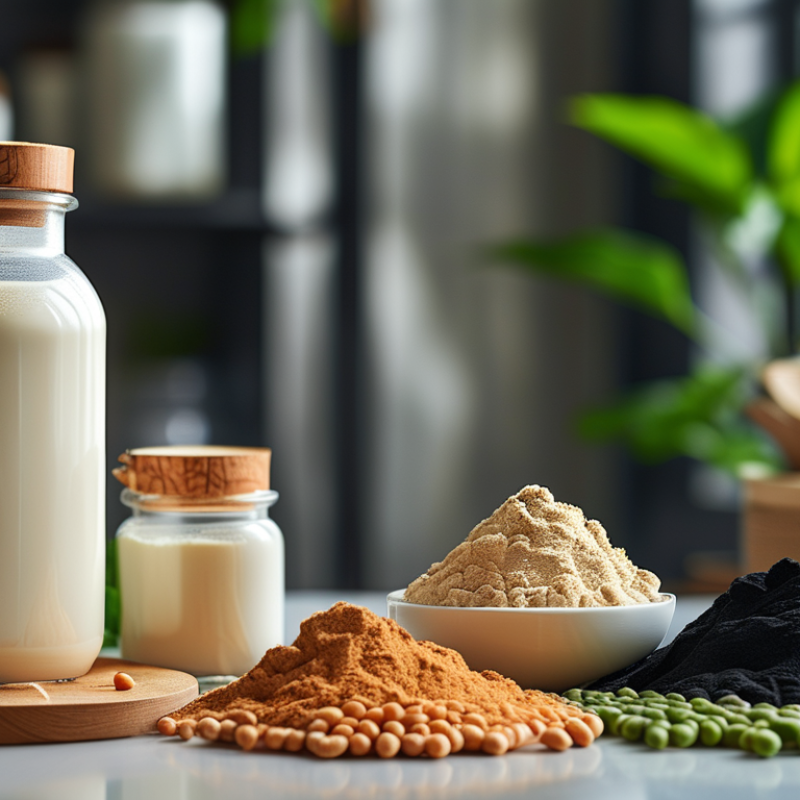
Natural protein powder is a concentrated protein source made from food materials such as peas, rice, soy, seeds, eggs, or milk. It usually contains fewer artificial additives than conventional products. However, “natural” is not a perfectly uniform technical term. Buyers should check the ingredient list and applicable labeling requirements.
In China, production often begins with tested agricultural or dairy raw materials. Workers clean, sort, and mill them before protein extraction. Plant proteins may use water separation, filtration, or controlled enzymatic treatment. Dairy proteins commonly undergo pasteurization and membrane filtration. The liquid is then concentrated and spray-dried into a fine powder. Low-temperature processing can help protect flavor and protein quality, but some nutrients may still change.
Manufacturing quality depends on traceability and process control. Reliable facilities test raw materials, finished powder, moisture, microbiological safety, heavy metals, and allergens. They should provide batch records and independent laboratory results. I would also inspect sanitation procedures, storage humidity, and packaging seals. A clean facility matters.
Yet no process is flawless. Moisture, oxidation, or inconsistent crops can affect texture and taste. Manufacturers should document corrective actions instead of hiding minor failures. Buyers can compare protein content, amino acid data, certifications, and testing frequency when selecting Chinese suppliers.
| No. | Natural Protein Source | Typical Protein Content | Common Manufacturing Process in China | Key Nutritional Characteristics | Important Quality Checks |
|---|---|---|---|---|---|
| 1 | Whey Protein Concentrate | Usually about 70–80% protein by weight, depending on the specification. | Milk separation, pasteurization, membrane filtration, concentration, spray drying, sieving and metal detection. | Contains all essential amino acids and naturally occurring milk fractions; lactose content is higher than in whey isolate. | Protein assay, moisture, lactose, fat, microbiological safety, heavy metals and allergen control. |
| 2 | Whey Protein Isolate | Commonly 90% or more protein by weight on a dry basis. | Advanced microfiltration or ultrafiltration, lactose and fat reduction, concentration and low-temperature spray drying. | High protein density, complete amino acid profile and generally lower lactose than concentrate. | Protein purity, lactose level, residual fat, solubility, oxidation, microbial limits and dairy allergen verification. |
| 3 | Soy Protein Isolate | Generally around 90% protein on a dry basis. | Soybean cleaning, dehulling, milling, aqueous extraction, separation, neutralization, concentration and spray drying. | Complete plant protein with a relatively balanced essential amino acid profile; naturally contains soy compounds. | Protein content, urease activity where applicable, pesticide residues, mycotoxins, soy allergen and GMO status. |
| 4 | Pea Protein Isolate | Typically about 80–85% protein, depending on processing and moisture. | Yellow pea cleaning, milling, water extraction, solid-liquid separation, isoelectric precipitation, drying and agglomeration. | Dairy-free and plant-based; rich in branched-chain amino acids but relatively lower in methionine. | Protein assay, particle size, dispersibility, off-flavor, pesticide residues, heavy metals and microbiological testing. |
| 5 | Rice Protein Concentrate | Often approximately 70–85% protein, depending on the grade. | Rice milling, enzymatic or aqueous starch separation, protein concentration, filtration and spray drying. | Dairy-free and gluten-free when verified; usually lower in lysine than many legume proteins. | Protein content, arsenic and other heavy metals, pesticide residues, moisture, microbial safety and gluten cross-contact. |
| 6 | Egg White Protein Powder | Commonly about 80–90% protein, depending on moisture and formulation. | Egg separation, filtration, pasteurization, controlled dehydration or spray drying, sieving and packaging. | Complete animal protein with no dairy lactose; egg allergen labeling is required. | Salmonella and other pathogen testing, moisture, protein content, egg allergen control and thermal-process validation. |
| 7 | Hemp Seed Protein Powder | Often approximately 45–60% protein, depending on seed pressing and milling. | Seed cleaning, optional dehulling, mechanical oil pressing, milling, air classification and fine sieving. | Plant-based protein with fiber and naturally occurring minerals; flavor and color can vary by processing. | Cannabinoid compliance where relevant, pesticide residues, oxidation, moisture, microbial safety and heavy metals. |
| 8 | Pumpkin Seed Protein Powder | Usually around 55–65% protein, depending on oil removal and milling. | Seed cleaning, shell removal, mechanical pressing or defatting, milling, sieving and low-moisture packaging. | Plant-based protein with naturally occurring fiber and minerals; typically has a distinctive green color and nutty flavor. | Protein and fat content, peroxide value, aflatoxins, pesticide residues, heavy metals and allergen cross-contact. |
| 9 | Collagen Peptides | Typically 90% or more protein, depending on moisture and specification. | Animal raw-material preparation, controlled enzymatic hydrolysis, filtration, concentration, drying and particle-size adjustment. | Highly soluble peptide powder; it is not considered a complete protein because it is low in tryptophan. | Source traceability, hydroxyproline, molecular-weight distribution, heavy metals, microbiological safety and species authenticity. |
| 10 | Blended Plant Protein | Commonly about 65–80% protein, depending on the blend ratio and added ingredients. | Individual protein preparation, batch weighing, dry blending, optional agglomeration, sieving and controlled-environment filling. | Combining sources such as pea, rice and seed proteins can improve amino acid balance and mouthfeel. | Blend uniformity, protein assay, particle size, water activity, microbial limits, allergen management and label accuracy. |
: Natural protein powder is concentrated protein made from peas, rice, soy, seeds, eggs, or milk. It usually contains fewer artificial additives. “Natural” has no single meaning. Check the ingredient list carefully.
Production often starts with tested agricultural or dairy materials. Workers clean, sort, and mill them. Water separation, filtration, or enzymes may extract plant protein. Dairy protein commonly uses pasteurization and membrane filtration. The liquid is concentrated and spray-dried.
Low-temperature processing may protect flavor and protein quality. It does not preserve everything perfectly. Some nutrients can still change. Texture may vary.
Check raw-material traceability, sanitation, storage humidity, and packaging seals. Request batch-specific laboratory reports. These should cover protein, moisture, microbes, heavy metals, and allergens. Visit the factory when possible. Documents alone are not enough.
Manufacturers may offer pea, soy, rice, hemp, whey, egg, and collagen proteins. Formats include plain powders, instantized blends, bars, and customized formulas. Some products target low-sugar or allergen-controlled applications. Samples can look excellent. Production consistency is harder.
Common certifications include quality, food-safety, hazard-control, and good-manufacturing systems. Some suppliers also offer religious or organic certification. Check the certification scope. It may not cover every production line or ingredient.
Ask for recent independent test reports, not only internal documents. Verify the testing method and report date. Important checks include protein content, moisture, microbiological safety, heavy metals, and allergens. Testing frequency matters. One report proves little.
Moisture can cause clumping. Oxidation may change flavor. Seasonal crops can affect color, texture, and protein levels. Weak storage controls may worsen these issues. No process is flawless.
Ask for corrective-action records, recall history, stability data, and production samples. A supplier should explain small failures instead of hiding them. Repeated verification is wise. My judgment could still be incomplete. One successful audit cannot predict every future batch.
This article provides a practical overview of China’s Natural Protein Powder manufacturing industry, explaining what natural protein powder is, how it is produced, and which quality controls are commonly used during processing. It examines how leading manufacturers can be evaluated through factors such as raw material sourcing, production technology, product consistency, testing procedures, manufacturing capacity, customer service, and supply chain reliability. The comparison also considers the range of products available, including plant-based and other naturally sourced protein options, as well as certifications related to food safety, quality management, and responsible production.
The article further outlines how to select a dependable manufacturer for private-label, wholesale, or customized needs. Buyers are encouraged to review documentation, verify testing and traceability systems, assess formulation and packaging capabilities, clarify minimum order requirements, and communicate specifications before placing an order. By using these criteria, importers and businesses can make more informed decisions and build stable, transparent, and compliant partnerships in the Natural Protein Powder market.

 Xinrui Group