In recent years, protein powder samples have gained significant traction among global buyers. This trend is particularly prominent in China, where the demand for quality protein products continues to rise. Chinese manufacturers are innovating rapidly. They offer a diverse range of protein powders, catering to various dietary needs and preferences.
Selecting the right protein powder samples can be a daunting task. With countless options available, buyers often face challenges in choosing the best fit for their health goals. It is essential to focus on quality and nutrition rather than just price. Understanding the source and processing of these powders can lead to better decisions.
By delving into the top protein powder samples from China, we aim to provide valuable insights. Buyers can benefit from understanding the unique features of these products. This exploration will also prompt reflections on the importance of sourcing responsibly and prioritizing health benefits. Discovering the right protein powder may require effort, but the rewards are worthwhile.
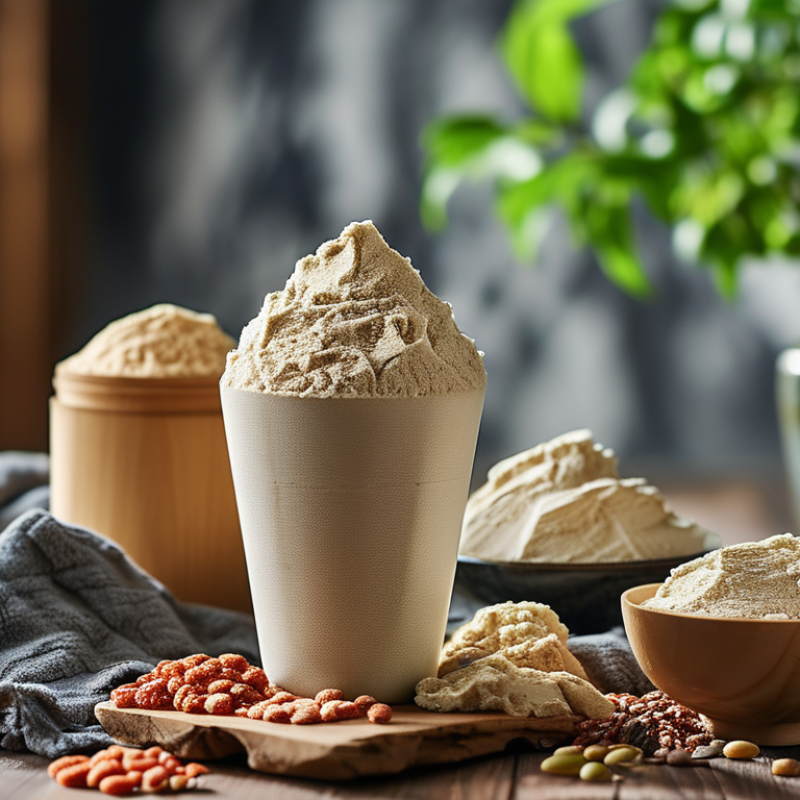
The protein powder market in China has experienced remarkable growth in recent years. Increasing health awareness and a rising fitness trend have fueled this expansion. Chinese consumers now prioritize protein supplements as part of their daily diets. Fitness enthusiasts, in particular, seek high-quality options, leading to diverse products entering the market.
China’s protein sources are diverse. Common ingredients include whey protein, soy protein, and pea protein. Local regulations ensure products meet safety and quality standards. However, challenges exist. Many new brands struggle to establish trust. Consumers demand transparency regarding sourcing and nutrition content. In this competitive landscape, clarity is key.
Tips: When exploring protein powders, check for certifications. Look for evidence of quality testing. Understanding ingredient sourcing can aid in making informed choices. It’s important to research and reflect on the claims made by various products. Being diligent can enhance your experience in choosing the right protein supplement.
When considering protein powder options from China, buyers encounter various types suited for different needs. The most common varieties include whey protein, soy protein, and pea protein. Whey protein is favored for its high biological value and rapid absorption. It is derived from milk and is an excellent choice for athletes looking to enhance muscle recovery.
Soy protein stands out for its plant-based benefits. It is rich in essential amino acids, making it a popular choice among vegetarians and vegans. Pea protein, on the other hand, is hypoallergenic. It caters to individuals with dairy or soy allergies. Each type offers unique nutritional profiles, serving diverse dietary needs.
Exploration of these protein sources reveals a vibrant market in China. However, not all products meet high standards. Some may lack transparency in sourcing or processing. Buyers must research suppliers carefully. Certification and quality assurance processes are vital indicators of reliability. The protein powder landscape is vast and varied, presenting both opportunities and challenges for global buyers.
| Protein Type | Source | Protein Content (% per serving) | Common Uses | Flavors Available |
|---|---|---|---|---|
| Whey Protein | Milk | 75-90% | Muscle building, recovery | Chocolate, Vanilla, Strawberry |
| Soy Protein | Soybeans | 90% | Vegan diets, weight management | Natural, Chocolate |
| Pea Protein | Yellow peas | 85% | Meal replacements, smoothies | Vanilla, Chocolate |
| Rice Protein | Brown rice | 80% | Allergy-friendly diets | Natural, Chocolate |
| Hemp Protein | Hemp seeds | 50% | Raw diets, smoothies | Natural, Vanilla |
China boasts a diverse range of protein powder brands that cater to health-conscious consumers globally. Many of these brands offer unique formulations that leverage local ingredients. Sourcing quality protein can be challenging, but Chinese brands prioritize transparency in sourcing. This builds trust with buyers looking for reliable options. Each product reflects an understanding of consumer needs.
Some brands focus on plant-based proteins, which resonate with vegan and vegetarian communities. Others have formulations tailored for athletes, emphasizing performance and recovery. The use of innovative flavors sets them apart, attracting a broader audience. However, not all brands maintain consistent quality. Buyers must research and compare to find the best options.
The protein powder market in China is evolving. Companies are increasingly focusing on sustainability and ethical sourcing. Consumers are becoming more aware of ingredients and their origins. Discrepancies in product labeling sometimes cause confusion. This reflects the industry’s need for better standards and regulation. Buyers should remain informed and vigilant when selecting products from this dynamic market.
In China, the protein powder market is expanding rapidly. Regulatory bodies oversee production to ensure quality. The National Health Commission (NHC) has set strict guidelines. These include limits on contaminants and nutritional labeling requirements. A report from Research and Markets indicated that the protein supplement market in Asia will reach $17.6 billion by 2025.
Quality control in protein powder production is paramount. Manufacturers must adhere to Good Manufacturing Practices (GMP). This includes raw material sourcing and processing standards. A 2022 survey revealed that over 70% of Chinese companies follow international regulations. However, inconsistencies still exist. Some producers fail to meet quality benchmarks, affecting exports.
The complex landscape poses challenges for global buyers. They must navigate various certifications and testing protocols. Mislabeling and contamination issues can arise. A study found that nearly 20% of protein powders in the market did not meet their label claims. Ensuring product reliability remains a challenge, and potential buyers should remain vigilant.
Sourcing protein powder from China can be a rewarding experience. However, it's essential to ensure quality and safety. Start by verifying the manufacturer’s credentials. This is crucial for establishing trust. Look for certifications that demonstrate compliance with international standards. Importers should request third-party lab test results to assess the purity and potency of the protein powder. Such transparency can mitigate risks associated with sourcing overseas.
Another important aspect is understanding local regulations. Each country has its own rules regarding food supplements. Buyers must be aware of these laws to avoid complications. Engage with legal experts or consultants familiar with both Chinese and global markets. This can save time and avoid costly mistakes. Communication with suppliers should be clear and direct. Define your expectations early. Misunderstandings can lead to unsatisfactory products.
Lastly, conduct pilot testing before bulk orders. This step is often overlooked. Sample products allow buyers to assess quality firsthand. It’s an opportunity to evaluate texture and flavor. Feedback from nutritional experts can also guide choices. Remain open to adjusting preferences based on these insights. Sourcing protein powder is not just about cost; quality should always be the priority.
: Increased health awareness and rising fitness trends have fueled market expansion.
Common sources include whey protein, soy protein, and pea protein.
Check for certifications and evidence of quality testing.
Always verify the manufacturer's credentials and request third-party lab test results.
Consumers demand information about ingredient sourcing and nutrition content for trust.
Many struggle to establish trust and may lack consistent quality.
Understand local regulations and consult legal experts familiar with international markets.
It allows buyers to assess quality, texture, and flavor firsthand.
Unique flavors help brands appeal to a broader audience and enhance market visibility.
Researching claims and understanding ingredient origins enhances informed decision-making.
The protein powder market in China has shown significant growth, attracting global buyers interested in diverse offerings. Key types of protein powders available include whey, casein, soy, and pea protein, catering to various dietary preferences and requirements. Chinese brands have begun to innovate, emphasizing quality and unique formulations that appeal to international markets.
With stringent quality standards and regulations in place, buyers sourcing protein powder samples from China can ensure compliance and safety. It is crucial for global buyers to understand these quality benchmarks and establish clear guidelines when selecting products. By being informed about the local market dynamics and regulatory landscape, buyers can make sound decisions when exploring the vibrant selection of protein powders available in China.

Xinrui Group