How to Choose the Best Soy Protein Supplement?

Time:2026-09-29 Author:Henry
0%

Choosing the right Soy Protein Supplement can feel simple until the labels start competing for attention. One tub promises purity, another highlights flavor, and a third lists unfamiliar ingredients. The better choice depends on more than protein grams per serving.

Mark Messina, PhD, a recognized soy-nutrition researcher, has stated, “Soy protein is a complete protein.” This matters because soy provides all nine essential amino acids. However, product quality still varies. Soy protein isolate is usually more concentrated, while soy protein concentrate may contain more naturally occurring soy components. Check the serving size carefully. A large scoop does not always mean more usable protein.

Look for transparent labeling, allergen information, and independent testing when available. A short ingredient list can help, especially if you prefer an unsweetened powder. Flavor matters too. A supplement that remains unopened in your cupboard is not a useful choice. Small details count, such as mixing texture, added sugar, and the container’s serving accuracy.

There is no perfect formula.

Some people may experience digestive discomfort, dislike the taste, or need to avoid soy because of an allergy. Individuals with specific medical conditions should ask a qualified healthcare professional before changing their protein intake. Even careful shoppers can focus too heavily on impressive claims. This guide will examine protein quality, processing, nutrition labels, safety, and everyday usability, while acknowledging an important limitation: personal tolerance may matter as much as laboratory specifications.
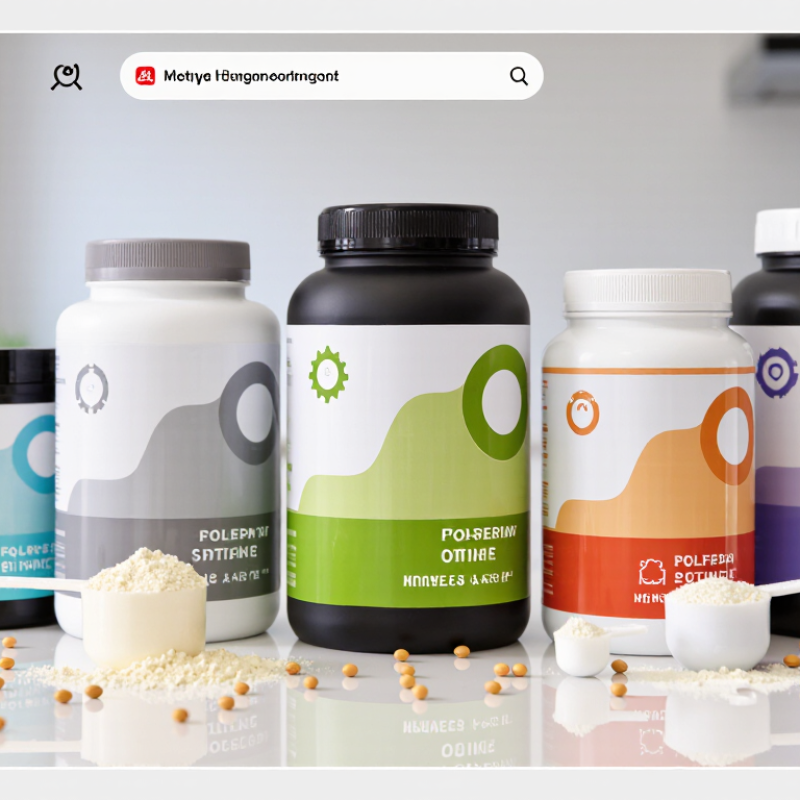
How to Choose the Best Soy Protein Supplement?

Understanding Soy Protein Types and Their Nutritional Differences

Choosing the best soy protein supplement starts with understanding its form. Soy protein isolate is the most refined option, often providing about 25 grams of protein per serving. It contains little fiber and fat. Soy protein concentrate usually retains more natural soy components, with a lower protein percentage. Soy flour is less processed and may provide fiber, carbohydrates, and healthy fats. The label matters more than the front package.

Texture differs too. Textured soy protein works well in meals, while powders mix easily with water or milk. Isolate may feel smoother, but it can taste slightly more processed. Concentrate often has a fuller, bean-like flavor. Small details matter. Check added sugar, sodium, calcium, and serving size. Two scoops may not equal one standard serving.

Soy is a complete protein because it supplies all nine essential amino acids. However, its methionine level is relatively modest compared with some animal proteins. This does not make it ineffective. Daily protein variety can help balance amino acid intake. I once compared products only by protein grams, which was too narrow. A better review considers digestion, fiber, ingredients, and personal tolerance. People with soy allergies should avoid soy products. Anyone managing a medical condition should ask a qualified healthcare professional before regular use.

Defining Your Protein Goals and Dietary Requirements

How to Choose the Best Soy Protein Supplement?

Defining Your Protein Goals and Dietary Requirements

Choosing soy protein starts with defining what you need, not copying another person’s serving size. A busy professional may want a convenient breakfast, while an athlete may need protein after resistance training. Record your meals for several days. This creates a clearer baseline. Protein needs vary with body size, age, activity, and health status. A registered dietitian can help set a suitable target during pregnancy, kidney disease, or other medical conditions. I once treated convenience as the main goal, but my meals became less balanced.

Check whether soy protein fits your dietary requirements. Soy is a complete protein because it provides all nine essential amino acids. However, powders differ in protein content, added sugar, sodium, flavors, and serving size. Read the nutrition panel carefully. People avoiding dairy may find soy useful, while anyone with a soy allergy should avoid it. Independent quality testing may offer extra confidence, but it does not replace checking ingredients or expiration dates.

Start with a modest serving and mix it with water, oats, or a smoothie. Notice its texture, sweetness, and digestion over several days. Some people experience bloating or discomfort. Stop if symptoms are concerning and seek professional advice when needed. A supplement should support regular meals, not quietly replace vegetables, grains, legumes, or other protein sources. My own preference changed after I realized a cheaper powder tasted unpleasant and remained unused. Taste matters. So does consistency.

How to Choose the Best Soy Protein Supplement? - Defining Your Protein Goals and Dietary Requirements

What to Evaluate Useful Facts How to Choose
Daily protein goal For most healthy adults, the protein RDA is 0.8 g per kg of body weight per day. Individual needs can differ with age, activity, health, and other circumstances. Estimate your total daily intake from all foods first. Use a supplement to help fill a gap rather than treating one serving as a complete daily plan. Ask a healthcare professional for guidance if you have a medical condition.
Protein per serving Serving sizes and protein amounts vary by product. Soy protein powders commonly provide roughly 20–25 g of protein per serving, but the nutrition label is the source to rely on. Compare grams of protein per serving and check the serving size in grams. Choose an amount that fits your meal and daily target.
Protein source and processing Soy protein isolate is more highly processed to concentrate protein. Soy protein concentrate and whole-soy ingredients may retain more non-protein components, such as carbohydrate or fiber; amounts depend on the product. Choose based on your preference for protein concentration, texture, and ingredient list. Compare nutrition panels rather than assuming all soy powders are alike.
Amino acid quality Soy is a complete protein: it provides all nine essential amino acids. Its amino acid proportions differ from those of animal proteins and other plant proteins. Soy can be a convenient plant-based protein option. A varied diet with enough total protein helps provide a broad range of amino acids.
Dietary requirements Unflavored soy protein is plant-based, but flavored products may contain sweeteners, dairy-derived ingredients, or other additives. Read the full ingredient list and allergen statement. For vegan, dairy-free, or other dietary needs, verify the specific product rather than relying only on front-label claims.
Soy allergy Soy is a major food allergen. Soy protein supplements are not suitable for people with a soy allergy unless their healthcare professional advises otherwise. Check allergen labeling and cross-contact information. If you have a diagnosed allergy, consult your clinician about safe alternatives.
Sugar, sodium, and extras Added sugars, sodium, flavorings, and thickeners vary. A flavored powder may have a different nutrition profile from an unflavored one. Compare the Nutrition Facts panel per serving. If you want more control over sweetness and flavor, consider an unflavored option.
Testing and label transparency Supplement regulations and testing practices vary by location. Third-party certification programs may assess identity or contaminants, but the scope differs between programs. Look for clear ingredient and nutrition information, batch details, and independently verifiable testing claims when these matter to you.
Digestibility and taste Texture, flavor, and tolerance vary by person and formulation. Some products mix more smoothly than others. If trying soy protein for the first time, start with a small serving and mix it into a familiar food or drink. Stop using it if you experience an adverse reaction.

General information only. Protein needs and supplement suitability vary by individual.

Evaluating Ingredients, Quality, Allergens, and Certifications

When comparing soy protein supplements, read the ingredient list before judging the protein number. A USDA FoodData Central reference entry lists about 88.3 grams of protein per 100 grams of dry soy protein isolate; a finished powder may contain less because it includes flavors, sweeteners, or other ingredients. Check whether the product uses isolate, concentrate, or flour, and compare protein per serving with the serving size. The FAO’s 2013 expert report on protein quality explains why protein evaluation involves amino-acid content and digestibility, not just grams on a label. A high number is not the whole story.

Soy is a major food allergen identified by the U.S. Food and Drug Administration. Anyone with a soy allergy should avoid soy protein, and people with sensitivities should check for cross-contact warnings. Check the fine print. “Plant-based” does not mean allergen-free. Look for a clear ingredient list and, where relevant, testing information for contaminants and microbes. Certifications can help, but their scope matters: verify what was tested, by whom, and whether the certificate is current. Seals differ.

A label can still leave gaps. For example, it may not explain how much of the serving comes from protein versus added flavoring. Prefer products that disclose the protein source, serving size, allergen information, and testing details plainly. If those basics are missing, the packaging may look polished without answering the questions that matter.

How to Choose a Soy Protein Supplement

Daily protein reference points can help put serving-size claims into context.

How to use this chart: The FDA-authorized soy-protein health claim is based on consuming 25 g of soy protein per day; the 50 g Protein Daily Value is a general food-label reference based on a 2,000-calorie diet. These figures are different kinds of reference points, not a recommended serving size.

When comparing products, check grams of protein per serving and the full ingredient list. Soy is a major food allergen in the U.S., so review the allergen statement. Organic or non-GMO certifications describe specific production attributes; they do not by themselves verify protein content or protein quality.

References: FDA authorized health claims · FDA Daily Values · FDA food-allergy labeling

Comparing Taste, Digestibility, Dosage, and Cost

How to Choose the Best Soy Protein Supplement?

Comparing Taste, Digestibility, Dosage, and Cost

Taste affects consistency more than many buyers expect. A powder may look impressive, yet taste chalky in cold water. Soy protein usually blends better with milk, yogurt, or a banana. Vanilla and cocoa flavors can hide its mild bean-like note. Try a small container first. I once chose a cheaper powder and stopped using it after three unpleasant shakes. That was not a real saving.

Digestibility deserves careful attention. Some people tolerate soy protein well, while others notice bloating or fullness. Check the ingredient list for added fibers, sugar alcohols, or unnecessary thickeners. These ingredients may cause discomfort, not soy itself. A serving often provides 20–25 grams of protein, but needs vary with body size, diet, and training. A registered dietitian can help adjust intake, especially with allergies or medical conditions. More is not automatically better.

Compare cost per 25 grams of protein, not cost per container. A large tub may contain fewer useful servings than expected. Divide the total price by the protein grams available. Also check laboratory testing for accurate protein claims and contaminant screening. Labels are helpful, but they are not perfect. Consider mixing ability, digestive comfort, and daily use together. The cheapest option may become expensive if it stays unopened.

Selecting and Using the Most Suitable Soy Protein Supplement

How to Choose the Best Soy Protein Supplement?

Selecting and Using the Most Suitable Soy Protein Supplement

Choosing a soy protein supplement should begin with your dietary needs, not attractive packaging. Soy protein isolate usually provides more protein per scoop than soy concentrate. Check the nutrition panel for protein, added sugar, sodium, and serving size. A short ingredient list is useful. Look for independent quality testing when available. This can reduce uncertainty about purity and label accuracy. Soy is a common allergen, so people with soy allergies should avoid these products. Those with medical conditions should ask a qualified healthcare professional.

Use the supplement to support meals, not replace a varied diet. Mix one serving with water, milk, or a smoothie, following the package directions. It can fit after exercise, at breakfast, or during a busy afternoon. Timing matters less than your total daily protein intake. Pairing soy protein with oats, fruit, or yogurt can improve texture and provide more nutrients. Drink enough fluids, especially when increasing protein quickly.

Flavor can be surprisingly important. A powder that stays unopened is not a useful choice. I sometimes gave too much attention to protein numbers and ignored sweetness, which made daily use harder. Start with a smaller serving if your digestion is sensitive. Increase gradually and observe bloating or discomfort. People taking thyroid medication should discuss timing with their clinician, because soy foods may affect medication absorption. Pregnant individuals, teenagers, and people managing kidney disease may need personalized guidance before regular use.

FAQS

What is soy protein isolate?

It is the most refined form. A serving often provides about 25 grams of protein, with little fiber and fat.

How does soy protein concentrate differ from isolate?

Concentrate usually contains a lower protein percentage. It retains more natural soy components and often has a fuller, bean-like flavor.

What does soy flour provide?

Soy flour is less processed. It may provide protein, fiber, carbohydrates, and healthy fats.

Is soy protein a complete protein?

Yes, it supplies all nine essential amino acids. Its methionine level is relatively modest, so varied protein sources may help.

Which soy protein has the best texture?

Powders usually mix easily with water or milk. Textured soy protein works better in meals. Isolate may feel smoother, but sometimes tastes more processed.

How can I improve the taste of soy protein powder?

Mix it with milk, yogurt, or a banana. Vanilla and cocoa can soften its mild bean-like note. Try a small container first.

How much soy protein should one serving provide?

Many products provide 20–25 grams per serving. Your needs depend on body size, diet, and training. More is not automatically better.

How should I compare soy protein costs?

Compare the price per 25 grams of protein. Do not rely only on container size. A large tub may contain fewer useful servings than expected.

What label details deserve attention?

Check serving size, added sugar, sodium, calcium, and protein content. Two scoops may not equal one standard serving. Consider fiber and extra thickeners, too.

Who should avoid soy protein or seek professional advice?

People with soy allergies should avoid soy products. Digestive discomfort may include bloating or fullness. Anyone managing a medical condition should consult a qualified healthcare professional.

Conclusion

Choosing the best Soy Protein Supplement begins with understanding the differences between soy protein isolate, concentrate, and less processed forms. Each type offers distinct protein levels, textures, and nutritional profiles, so your choice should match your fitness goals, dietary preferences, and daily protein needs. Consider whether you want support for muscle recovery, meal supplementation, or a plant-based alternative to dairy protein. People with allergies, sensitivities, or specific dietary restrictions should carefully review ingredient labels and check for clear allergen statements, quality testing, and appropriate certifications.

Taste, mixability, digestibility, serving size, and overall cost are also important factors. A supplement that fits your budget but is difficult to digest or unpleasant to consume may not be practical for regular use. Compare protein content per serving, added sugars, unnecessary additives, and preparation instructions before making a decision. Once you select a suitable option, follow the recommended dosage, combine it with a balanced diet, and adjust intake according to your individual nutritional requirements.

Henry

Henry

Henry is a dedicated marketing professional with a profound expertise in the company's offerings. With years of experience in the industry, he possesses an impressive understanding of the market dynamics and consumer behaviors that drive success. Henry is committed to sharing his insights through......