As the demand for plant-based proteins grows, Textured Soya Protein (TSP) emerges as a crucial player in the global market. According to a recent report by Mordor Intelligence, the plant-based protein market is projected to reach USD 34.5 billion by 2027, with TSP being a highly sought-after ingredient due to its versatility and nutritional benefits. TSP is not only rich in protein but also low in fat, making it an attractive option for health-conscious consumers.
The versatility of Textured Soya Protein has led to its integration into various food products, catering to diverse dietary preferences. AI-driven analysis suggests that the global TSP market is undergoing a transformative phase, with trends towards meat alternatives and sustainable sourcing. However, the industry faces challenges including price volatility and sourcing consistency, prompting a need for more innovation and clearer standards.
Despite these challenges, China's TSP production capabilities position it as a potential leader in this sector. The country boasts significant agricultural resources and technological advancements. Yet, reliability in sourcing and quality control remain areas requiring attention and improvement. As global demand for TSP continues to rise, China's role in meeting these needs will be critical.
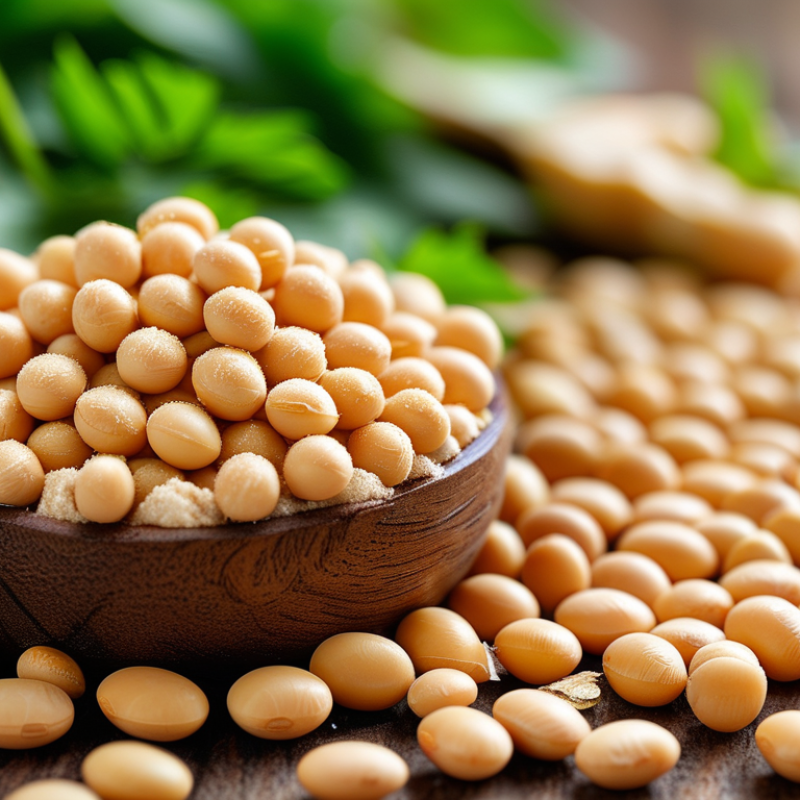
China has become a significant player in global textured soya protein production. In 2022, the country's production accounted for over 35% of the world’s total output. This growth is fueled by rising demand for plant-based proteins worldwide. As consumers shift towards meat alternatives, China enhances its capabilities to meet diverse sourcing needs. Reports indicate that the market for textured soya protein is projected to reach $2.5 billion by 2028, with China playing a crucial role in this growth.
Despite this impressive rise, challenges exist. One major concern is quality control. Ensuring high standards amid rapid expansion is vital. The country faces competition from other producers, necessitating innovation in processing techniques. It's essential for suppliers to remain agile and adaptable. Understanding local regulations in various markets is paramount, as compliance can influence export potential.
Tips: Always evaluate supplier credibility. Look for certifications that indicate quality. Additionally, consider the environmental impact of sourcing decisions. Sustainable practices can enhance brand reputation and attract eco-conscious consumers. By focusing on these aspects, businesses can navigate the complexities of global sourcing more effectively.
China's textured soya protein has been gaining attention globally for its unique characteristics. One of its main attributes is its versatility. Producers can create various textures, making it suitable for diverse culinary applications. Whether it’s mimicking meat in stir-fries or enhancing vegan dishes, its adaptability is noteworthy.
Another key feature is its nutritional profile. High in protein and rich in essential amino acids, China's textured soya protein can meet dietary needs effectively. It also contains fiber, which supports digestive health. However, some consumers may be concerned about its processing methods. Transparency about sourcing and production remains essential for building trust.
China's textured soya protein stands out in the global market. The focus on sustainability in sourcing ingredients is becoming increasingly important. Nevertheless, challenges such as fluctuating raw material availability can affect consistency. Addressing these issues can enhance the reliability of this protein source in the long run.
Textured soya protein has gained significant traction in the global market. Its versatility makes it an ideal ingredient for many industries. This protein is not just for vegetarians anymore. Many meat producers are exploring its benefits. They blend it into traditional products to enhance nutritional value without sacrificing flavor.
Market demand for textured soya protein is on the rise. Consumer awareness of plant-based diets is increasing. This demand is compelling food manufacturers to innovate. They are creating meat alternatives that appeal to a wider audience. Products made from textured soya protein often mimic the texture of meat. This allows for culinary diversity. However, challenges persist in achieving the perfect taste. Some consumers express dissatisfaction with the flavor profile. Companies must listen to feedback and refine their formulations.
In the foodservice sector, chefs and restaurateurs are experimenting with textured soya protein. They incorporate it into various cuisines. Yet, the challenge remains in balancing taste and texture. This requires expertise and ongoing experimentation. The future is promising for textured soya protein. However, continuous improvement is needed to meet evolving consumer preferences.
China's textured soya protein industry faces numerous challenges despite the growing demand for plant-based proteins. According to recent industry reports, the global market for textured plant proteins is expected to reach USD 5 billion by 2025, with a notable portion stemming from China. However, local manufacturers struggle with quality consistency and supply chain issues.
The production of textured soya protein can be sensitive to environmental factors. Variations in soybean quality impact the final product's texture and protein content. A report from the Agricultural Bank of China noted that around 30% of domestic soybeans do not meet the necessary quality standards for protein extraction. This inconsistency complicates the ability of manufacturers to ensure a reliable product.
Tip: Focus on sourcing high-quality soybeans to enhance product consistency. Working closely with suppliers can also help address supply chain challenges.
Another challenge is the stiff competition from other plant-based alternatives, such as pea protein. Industry experts suggest that brands need to innovate to stand out. Research shows that incorporating sustainable practices can increase consumer trust. Brands that prioritize transparency are more likely to attract health-conscious consumers.
Tip: Embrace sustainability by adopting eco-friendly production methods. This approach can differentiate your product in a crowded market.
| Dimension | Value |
|---|---|
| Annual Production Volume (Metric Tons) | 500,000 |
| Key Export Markets | USA, EU, Southeast Asia |
| Market Growth Rate (2023-2028) | 8% |
| Top Importing Countries | Brazil, Argentina, India |
| Main Challenges | Quality Control, Competition from Alternatives, Regulatory Hurdles |
| Consumer Demand Trends | Increasing awareness of plant-based diets |
| Average Price per Metric Ton | $1,200 |
| R&D Investment (% of Revenue) | 5% |
China's textured soya protein market is evolving rapidly. In recent years, demand has surged due to a rising focus on plant-based diets. Reports suggest that China's textured soya protein production reached 600,000 tons in 2022. This number is projected to rise by 5% annually over the next five years. The increasing health consciousness among consumers drives this growth. More people are seeking alternatives to meat.
Global markets are looking at China as a reliable source. Despite this, challenges remain. Quality control issues sometimes plague the sector. Ensuring product consistency and safety is vital. The growing interest in sustainable sourcing may help mitigate such concerns.
Innovation is key in this area. Many producers are exploring new processing methods. Recent studies indicate that textured soya protein can successfully mimic the texture of meat. However, not all products meet consumer expectations. Companies need to refine their offerings. Understanding customer preferences will be crucial for future success. The focus on nutrition and flavor profiles cannot be overlooked.
: China accounts for over 35% of global production, driven by rising demand for plant-based proteins.
Key challenges include quality control, supply chain issues, and stiff competition from other plant-based proteins.
Sourcing high-quality soybeans is essential. Working closely with suppliers can help manage supply chain challenges.
Increased health consciousness and the shift toward plant-based diets are significant factors influencing market growth.
Innovation helps brands stand out amid competition and can improve product texture to meet consumer expectations.
Consumers prioritize nutrition, flavor profiles, and sustainable sourcing. Transparency in production builds trust and attracts buyers.
Adopting eco-friendly production methods can enhance brand reputation and appeal to eco-conscious consumers.
Production is expected to rise by 5% annually, with China becoming a reliable source in global markets.
Inconsistent quality can impact the manufacturer's ability to deliver reliable products and satisfy consumers.
By understanding customer preferences and continuously improving nutrition and flavor, companies can meet market demands better.
China has emerged as a pivotal player in the global production of Textured Soya Protein, catering to the increasing demand driven by health-conscious consumers and the rising popularity of plant-based diets. The key characteristics of China's Textured Soya Protein include its high nutritional value, versatility in food applications, and a growing array of textures and flavors that appeal to diverse consumer preferences worldwide.
However, the industry faces challenges such as competition from other protein sources, fluctuating soybean prices, and sustainability concerns. Moving forward, future trends in China's Textured Soya Protein market are expected to focus on innovation and research, enhancing product quality, and expanding its application in various food segments. This positions China favorably to meet global sourcing needs, further solidifying its role in the textured protein market.
Xinrui Group