As consumers become more health-conscious, the demand for Vege Protein Nutrition has surged. A recent report by the Plant-Based Foods Association highlights that plant-based protein sales increased by 27% over the past year. This trend underscores the growing recognition of vegetables as a viable protein source. Dr. Jane Hartman, a leading expert in plant nutrition, notes, “Incorporating vege protein into daily meals can significantly enhance overall health.”
Vege Protein Nutrition offers unique benefits. It is rich in essential amino acids, vitamins, and minerals, promoting muscle repair and immune function. Many people overlook the importance of combining various plant proteins to maximize these benefits. The balance of different sources is crucial. Relying solely on one type may lack essential nutrients.
While the advantages are evident, some challenges persist. Transitioning to a plant-based diet can be daunting for many. Those who struggle with dietary changes may find it hard to maintain balanced meals. Education and practical tips can bridge this gap. Understanding Vege Protein Nutrition is crucial for a successful shift towards healthier habits.
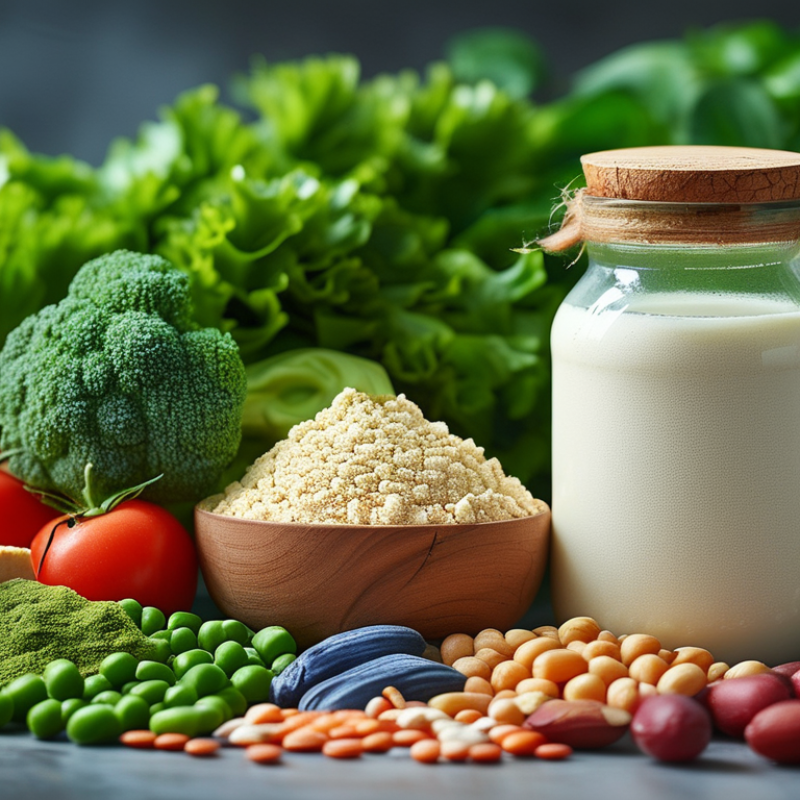
Plant-based protein plays a crucial role in a balanced diet. It offers a wealth of nutrients while being lower in saturated fat. Foods like beans, lentils, and quinoa are not only high in protein but also packed with fiber. This combination can help with digestion and improve overall health. Many people overlook the importance of variety in their protein sources. Consuming a range of plant proteins ensures you get all essential amino acids.
Incorporating plant-based proteins can be challenging. Some may feel unsatisfied without animal products. It’s essential to explore different recipes and cooking methods. Try adding chickpeas to salads or using tofu in stir-fries. Gradually, you might notice improvements in your energy levels. Yet, not everyone is accustomed to these foods, so it’s a journey worth taking.
Including more plant proteins can have a lasting impact. They often come with important vitamins and minerals. For instance, dark leafy greens are not just good for protein; they also contain iron and calcium. It’s vital to listen to your body as you adjust your diet. Do you feel more energetic? Or are there areas where you feel you could do better? Reflecting on these questions can help make informed dietary choices.
Understanding essential amino acids is crucial for optimizing vegetarian protein sources. These building blocks of protein are needed for muscle repair, hormone production, and overall health. Unlike meat, many plant-based proteins may lack one or more essential amino acids. This is why it’s important to combine different plant sources.
Legumes, nuts, and grains each provide unique amino acid profiles. For example, beans are rich in lysine but low in methionine. Conversely, rice contains methionine but lacks sufficient lysine. By consuming a variety of these foods, you can ensure a complete amino acid profile. This diversity in your diet can enhance your body’s ability to utilize the protein you consume.
It’s also valuable to pay attention to your body’s responses. Some people may feel bloated after certain legumes. Others might notice changes in energy levels. Taking note of these reactions can guide your choices. Exploring new recipes can help you find the right combinations that work for you, enhancing both enjoyment and nutrition.
Fiber plays a crucial role in enhancing the nutritional benefits of vegetables. It's not just about consuming more veggies; it's about maximizing their potential. Vegetables rich in fiber tend to have a lower glycemic index, which helps in regulating blood sugar levels. A report from the American Journal of Clinical Nutrition states that a diet high in fiber can reduce the risk of heart disease by up to 30%.
Moreover, fiber aids digestion by promoting the growth of beneficial gut bacteria. A robust gut microbiome can improve nutrient absorption. Studies show that individuals consuming adequate fiber often report better satiety, leading to healthier eating habits. Incorporating high-fiber vegetables, such as broccoli and carrots, into meals not only boosts protein intake but also enhances overall nutrition.
Yet, not all vegetables provide an equal amount of fiber. Some may fall short in fiber content, leading to missed health benefits. This inconsistency can create confusion for those trying to optimize their diets. The disparity highlights the need for mindful selection of vegetables to ensure a fiber-rich plate. As more research emerges, understanding the fiber content in vegetables becomes essential for making informed dietary choices.
| Tip | Description | Nutritional Benefit | Fiber Content (g per 100g) |
|---|---|---|---|
| Incorporate a Variety of Vegetables | Diversifying your vegetable intake maximizes the range of nutrients. | Provides essential vitamins and minerals. | 3-5g |
| Pair Vegetables with Protein | Combining veggies with protein sources enhances amino acid profiles. | Supports muscle repair and growth. | Varies by vegetable |
| Opt for Whole Vegetables Over Juices | Whole veggies provide full fiber benefits that juices lack. | Promotes digestive health. | 5-7g |
| Add Healthy Fats | Pairing veggies with fats enhances absorption of fat-soluble vitamins. | Improves nutrient uptake. | Varies by vegetable |
| Experiment with Cooking Methods | Different cooking methods can alter the nutritional profile of vegetables. | Can enhance or reduce certain nutrients. | 3-6g |
Cooking vegetables properly is crucial for maximizing their protein benefits. Steaming and sautéing are two effective methods. Steaming preserves nutrients better than boiling. Research from the Journal of Nutrition indicates steaming maintains up to 90% of vitamins and minerals. Sautéing with a small amount of healthy fat also enhances absorption of fat-soluble vitamins.
Roasting is another method that not only enhances flavor but also retains certain nutrients. However, overcooking can lead to nutrient loss. A report by the USDA shows that when vegetables are cooked at high temperatures for too long, some proteins can degrade. To avoid this, cook at lower temperatures and keep an eye on the time.
Experimenting with different techniques can help identify what works best. Understanding the balance between cooking time and temperature is key. Adjusting methods based on vegetable types makes a noticeable difference. Resources from nutrition experts highlight that diverse cooking approaches yield varying nutrient profiles. This diversity can contribute significantly to a balanced diet rich in vegetable proteins.
A balanced vegetarian diet can sometimes lack key nutrients. For vegans, this challenge is even more pronounced. Supplements and fortified foods play a crucial role in bridging these gaps. Consider vitamin B12; it’s primarily found in animal products. A deficiency can lead to fatigue and neurological issues. Many vegans rely on B12 supplements or fortified foods, such as plant-based milks and cereals, to meet their needs.
Iron is another nutrient that often falls short. Non-heme iron, found in plants, is less easily absorbed. Including fortified cereals or taking an iron supplement can improve nutrient intake. Calcium and omega-3 fatty acids are also worth noting. Fortified plant milks can provide calcium similar to dairy. For omega-3s, consider algae-based supplements, as they offer a direct source.
Always consult a healthcare professional about your specific needs. Nutritional gaps can lead to health issues over time. Monitoring your intake and adjusting your diet is essential. Nutritional supplementation should complement a balanced diet, not replace it. Reflection on dietary habits can empower better choices. These steps can help ensure that you are getting the full benefit of your plant-based lifestyle.
: Essential amino acids support muscle repair, hormone production, and overall health.
Yes, many plant proteins may lack one or more essential amino acids.
Combine different plant sources like legumes, nuts, and grains in your diet.
Pay attention to your body’s responses and consider adjusting your legume intake.
Fiber helps regulate blood sugar levels and promotes healthy digestion.
No, some vegetables lack sufficient fiber, which can limit health benefits.
Steaming and sautéing are effective methods that retain nutrients.
Cook at lower temperatures and monitor cooking times to prevent overcooking.
Yes, trying various techniques can optimize nutrient retention in your meals.
Adequate fiber can lead to better satiety, promoting healthier eating choices.
The article "Top 5 Tips for Boosting Your Vege Protein Nutrition Benefits" emphasizes the significance of plant-based protein in maintaining a well-balanced diet. It explores the importance of essential amino acids found in vegetarian protein sources, highlighting how they contribute to overall health. Additionally, the article discusses the role of fiber in vegetables, which not only aids digestion but also enhances the nutritional benefits of vege protein.
Furthermore, effective cooking methods are presented as crucial for preserving the nutritional value of vegetable proteins. The article also addresses the potential nutritional gaps that can arise in vegan diets and how supplements and fortified foods can help bridge these gaps. By integrating these tips, individuals can maximize their vege protein nutrition and enjoy a more balanced and healthful diet.

Xinrui Group