Buying protein in bulk requires more than choosing the lowest quoted price. Vanilla Protein Powder must perform consistently across taste tests, production batches, and customer feedback. A smooth vanilla profile can support shakes, bars, oats, and bakery applications. However, weak flavor or excessive sweetness may create costly returns.
This guide examines seven leading options for bulk buyers. Each choice deserves attention to protein content, amino acid quality, mixability, and ingredient transparency. Supplier documentation also matters. Look for current certificates of analysis, allergen statements, manufacturing details, and clearly stated serving sizes. These records help buyers compare products with greater confidence. They also support responsible quality control.
Packaging can influence the final decision. Moisture-resistant bags, sealed containers, and practical pallet sizes reduce handling problems. Shelf life should match your expected purchasing cycle. Minimum order quantities, lead times, shipping conditions, and private-label support may matter just as much as nutrition facts. A product that tastes excellent is not automatically a reliable commercial choice.
No powder is perfect. Even careful buyers can overlook clumping after storage or subtle changes between batches. Small pilot orders remain sensible before committing to a large shipment. Price matters, but consistency protects margins. The best option combines dependable quality, usable flavor, verified documentation, and realistic supply terms. This comparison aims to make that evaluation clearer, while recognizing that individual formulas and customer preferences can differ.
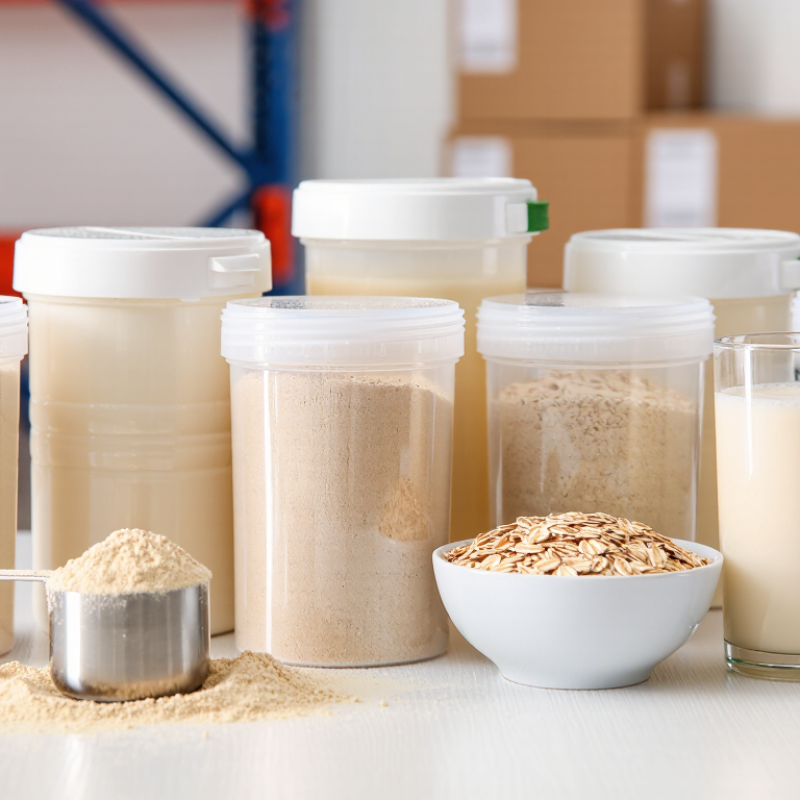
Vanilla protein powder works by supplying amino acids after digestion. Whey generally digests quickly, while casein releases amino acids more slowly. Plant-based formulas may blend sources to improve their amino acid balance. The powder does not build muscle by itself. Training and total energy still matter. The International Society of Sports Nutrition recommends 1.4–2.0 grams of protein per kilogram daily for exercising adults. Its 2017 position stand also describes practical servings near 20–40 grams, depending on body size and goals. More is not automatically better.
Bulk demand comes from gyms, meal-preparation kitchens, retailers, and food manufacturers. Grand View Research valued the global protein supplements market at about $5.83 billion in 2023, with continued growth projected through 2030. That trend supports larger purchasing programs, but it does not guarantee steady demand. Vanilla remains commercially useful because it mixes with oats, smoothies, dairy, and baked products. Familiar flavor matters. It can improve repeat purchases, though taste preference is not proof of nutritional quality.
Professional buyers should request a current certificate of analysis, allergen controls, microbial testing, and clear protein percentages. Check solubility in cold water, especially when staff prepare dozens of servings daily. Review lot consistency, packaging strength, shelf life, freight conditions, and replacement procedures. A low unit price can become expensive after clumping, waste, or delayed delivery. These details sound mundane. I would not treat market forecasts as certainty. Reports combine many channels, while one gym or retailer may see demand change overnight. That gap deserves honest review before committing to a large vanilla powder order.
7 Best Vanilla Protein Powders for Bulk Buyers: Key Criteria for Comparing Vanilla Protein Powders
Bulk buying starts with evidence, not a large tub. The International Society of Sports Nutrition recommends 1.4–2.0 grams of protein per kilogram of body weight daily for active adults. Compare each powder’s protein per serving, not just its front-label claims. Check the amino acid profile, especially leucine, which supports muscle protein synthesis. A useful vanilla powder should also dissolve smoothly in cold water. Grainy texture becomes expensive waste at scale.
Third-party certification matters. The 2023 Global Wellness Institute report valued the global wellness economy at $6.3 trillion, showing strong demand for health products, but market growth does not guarantee quality. Look for independent testing of protein content, contaminants, and label accuracy. Review the ingredient list for unnecessary fillers, excessive sweeteners, and allergens. Cost per 25 grams of protein gives a fairer comparison than cost per container. Packaging size, scoop accuracy, and supplier batch consistency also affect purchasing decisions.
Tips: Request a current certificate of analysis before placing a large order. Test one small batch first. Store powder in a cool, dry area, and inspect the seal on arrival. I would not assume the smoothest powder is the most nutritious. That judgment can be wrong. My own buying mistake was comparing tubs instead of usable servings. Check serving yield, return terms, and expiration dates before committing.
7 Best Vanilla Protein Powders for Bulk Buyers
Seven Leading Vanilla Protein Powders for Large-Volume Buyers
Large-volume buyers should compare protein formats, not attractive labels alone. The seven leading options include whey concentrate, whey isolate, hydrolyzed whey, micellar casein, egg white, pea protein, and blended plant protein. Each behaves differently in a mixing tank or shaker.
Grand View Research valued the global sports nutrition market at about USD 46.2 billion in 2023. That growth increases supplier choice, but also complicates quality checks. The International Society of Sports Nutrition recommends 1.4–2.0 grams of protein per kilogram daily for exercising adults. Buyers should therefore verify protein content per serving, amino acid disclosure, and serving-size accuracy.
Vanilla quality needs practical testing. A clean aroma should remain after dilution, not smell like artificial frosting. Check solubility in cold water, foam after shaking, sediment after ten minutes, and sweetness across repeated batches. Casein often thickens strongly. Plant blends may need stabilizers or longer mixing. No format wins every test.
For bulk orders, request a certificate of analysis, allergen statement, microbiological results, heavy-metal screening, lot traceability, and at least twelve months of remaining shelf life. Confirm minimum order quantities and packaging protection before signing. A low price can hide poor dispersibility, excessive flavoring, or inconsistent protein results. I would sample two production lots, not one. That extra step feels slower, yet it can expose a costly difference.
For bulk buyers, the seven strongest vanilla protein powder options differ mainly in cost, packaging, and supply reliability. A low price may hide weak flavor consistency or expensive freight. Compare the delivered cost per kilogram, not only the factory quote. Request samples from the same production lot before approving a larger order. A mild vanilla profile may suit smoothies, while a sweeter profile works better in ready-to-mix products.
Packaging affects both handling and shelf life. Common formats include one-kilogram pouches, five-kilogram bags, and 20–25 kilogram lined sacks. Smaller packs reduce moisture exposure after opening, but increase labor and packaging costs. Larger sacks support efficient pallet storage. However, they need dry warehouses and careful resealing. Ask for food-grade inner liners, batch codes, tamper evidence, and clear net weights. Small details matter.
Check the manufacturing date, best-before period, and storage instructions. Many powders perform well for 12 to 24 months when kept cool and dry. Heat can damage flavor quality. Humidity can create hard lumps. Confirm that every shipment includes a certificate of analysis, allergen information, and microbiological results. Supply planning also deserves attention. Ask about minimum order quantities, monthly capacity, backup production sites, and realistic lead times. I have seen buyers focus on price and overlook delays. That mistake can interrupt production. A slightly higher cost may be reasonable when stock is stable, documentation is complete, and corrective support is responsive. Still, no supplier is perfect. Recheck assumptions before signing a long-term agreement.
| Product Type | Typical Protein Content | Typical Bulk Cost (USD/kg) |
Common Bulk Packaging | Typical Unopened Shelf Life | Vanilla Flavor Profile | Supply Considerations | Best Bulk-Buying Application |
|---|---|---|---|---|---|---|---|
| Whey Protein Concentrate 80% | Approximately 75–80% protein by weight | $6–$11 | 20–25 kg multi-wall paper sacks with polyethylene liner; larger super sacks may be available | 18–24 months when sealed and stored in a cool, dry place | Creamy, dairy-forward vanilla with good body and moderate sweetness | Generally available in large volumes; pricing is influenced by milk supply, dairy processing capacity, and seasonal demand | Cost-sensitive meal-replacement mixes, shakes, bars, and general sports-nutrition products |
| Whey Protein Isolate | Typically 88–92% protein by weight | $8–$15 | 15–20 kg lined sacks, fiber drums, or palletized food-grade bags | 18–24 months when protected from heat and moisture | Clean, light vanilla flavor with lower lactose and a thinner mouthfeel | Usually more expensive and more sensitive to dairy-market fluctuations; confirm minimum order quantities and instantized options | Premium powders, low-lactose formulas, clear-label products, and higher-protein servings |
| Milk Protein Concentrate | Usually 70–85% protein, containing casein and whey fractions | $7–$13 | 20–25 kg moisture-barrier sacks or lined fiber drums | 18–24 months under recommended storage conditions | Rich, milky vanilla flavor with a fuller and slower-digesting profile | Supply depends on dairy fractionation capacity; heavier powder density can increase freight costs per pallet | Satiety products, nutrition beverages, meal replacements, and overnight formulations |
| Micellar Casein | Commonly 80–85% protein by weight | $8–$16 | 15–20 kg lined paper sacks or sealed fiber drums | 18–24 months when stored away from humidity and excessive heat | Thick, creamy vanilla flavor with a slow-dispersing texture | Often has longer lead times than standard whey; verify solubility, viscosity, and batch-to-batch consistency before large orders | Nighttime nutrition, high-satiety shakes, puddings, and thick blended products |
| Pea Protein Isolate | Typically 80–85% protein by weight | $5–$10 | 20–25 kg kraft paper sacks with inner polyethylene liner; bulk totes for larger contracts | 18–24 months in dry, temperature-controlled storage | Vanilla can soften the characteristic earthy or vegetal notes; texture may be slightly chalky | Availability is linked to yellow-pea harvests, processing capacity, and regional crop conditions; request sensory samples before purchase | Vegan powders, dairy-free blends, allergen-conscious products, and plant-based bars |
| Soy Protein Isolate | Generally 88–92% protein by weight | $3.50–$7 | 20–25 kg multi-wall sacks with moisture-resistant liner | 18–24 months when sealed and stored under dry conditions | Neutral to mildly beany; vanilla flavor systems usually require careful masking | Strong global supply base, but import requirements, allergen labeling, and customer preferences should be reviewed in advance | High-protein beverages, nutrition mixes, bakery applications, and economical formulations |
| Rice Protein Isolate | Typically 80–85% protein by weight | $6–$12 | 15–20 kg lined sacks or 20–25 kg food-grade bags | 18–24 months when protected from moisture, heat, and oxygen | Mildly nutty or cereal-like; vanilla improves overall flavor balance | Supply can be narrower than pea or soy; confirm heavy-metal testing, origin documentation, and consistent particle size | Vegan blends, grain-based nutrition products, and formulas requiring a soy-free protein source |
Choosing the best vanilla protein powder for a business requires more than comparing prices. Start with the protein source, protein percentage, and serving size. A lower price can hide a smaller usable dose. Check the certificate of analysis for protein content, microbiological testing, heavy metals, and batch identification. Reliable suppliers should provide current documents, not vague assurances.
Flavor consistency matters when customers expect the same shake every time. Request samples from different production lots, then test them in water, milk, and smoothies. Note sweetness, vanilla strength, texture, foam, and settling after ten minutes. Small details matter. A powder that clumps in a shaker may frustrate gym members or staff. I once focused too heavily on cost and underestimated packaging waste, which changed the real purchase price.
Review minimum order quantities, lead times, shelf life, storage conditions, and replacement policies. Bulk packaging may reduce expenses, but opened bags need dry, controlled storage. Ask whether the supplier can support your program during seasonal demand. Confirm allergen statements and labeling requirements for your market. Avoid relying on one impressive sample. Compare three options using cost per serving, verified specifications, mixing performance, and customer feedback. Leave room for a trial order; forecasts are often less accurate than expected.
Digestion breaks it into amino acids. Whey usually acts quickly, while casein releases amino acids more slowly.
No. Resistance training, enough total energy, sleep, and consistent nutrition still matter. Powder is only one tool.
A common range is 1.4–2.0 grams per kilogram of body weight. Individual needs can differ.
Gyms, meal-preparation kitchens, retailers, and food manufacturers often purchase larger quantities.
It mixes with oats, smoothies, milk, and baked foods. Familiar flavor may encourage repeat purchases.
Compare whey concentrate, whey isolate, hydrolyzed whey, casein, egg white, pea, and plant blends. Each mixes differently.
Request a current certificate of analysis, allergen statement, microbial results, protein percentage, and lot identification.
Mix samples in cold water and milk. Check clumps, foam, flavor, thickness, and sediment after ten minutes.
Use dry, controlled storage. Check packaging strength, shelf life, freight conditions, and replacement procedures.
Not always. Clumping, waste, weak packaging, or late delivery can raise the real cost. Forecasts can fail.
Vanilla Protein Powder is a practical nutrition ingredient for gyms, wellness programs, foodservice operations, retailers, and other organizations that purchase in large quantities. It typically provides concentrated protein in a convenient, versatile form, while vanilla flavor supports use in shakes, smoothies, baked foods, and meal-replacement recipes. Buyers should compare protein content, ingredient quality, flavor consistency, mixability, sweetener choices, allergen information, and suitability for their intended audience.
The seven leading options for large-volume buyers can be evaluated by balancing performance, price, packaging, and supply reliability rather than focusing on flavor alone. Important considerations include cost per serving, bulk container sizes, storage requirements, shelf life, shipping efficiency, and the supplier’s ability to maintain consistent inventory. Businesses and program managers should also review testing documentation, clear labeling, minimum order quantities, and customer support. The best powder is ultimately the one that meets nutritional goals, fits the budget, stores well, and delivers dependable quality across repeated orders.

Xinrui Group