Choosing a reliable supplier for Isp Soy Protein Isolate involves more than comparing prices. Buyers need consistent specifications, dependable shipments, and clear answers from the sales and quality teams. Small details matter. A powder that looks uniform in a sample may behave differently in a beverage or meat alternative.
This guide introduces seven suppliers for global buyers and highlights practical points to check before requesting a quotation. Compare protein content and its stated measurement basis, moisture levels, particle size, dispersibility, and flavor. Ask for a current specification sheet and a Certificate of Analysis for the relevant batch. Where suitable, test a sample in your own recipe. Lab results and production performance do not always match perfectly.
Supplier evaluation should also cover traceability, allergen controls, packaging options, lead times, and communication during delays. Requirements can differ by destination market, so confirm applicable documentation with qualified local advisers. A polished brochure is not proof of reliable service. Look for evidence, then ask follow-up questions. This overview is a starting point, not an endorsement of every product or claim. The best choice depends on your formulation, target quality, order size, and ability to verify the supplier’s information. Even a careful shortlist can miss something. Recheck the details before committing.
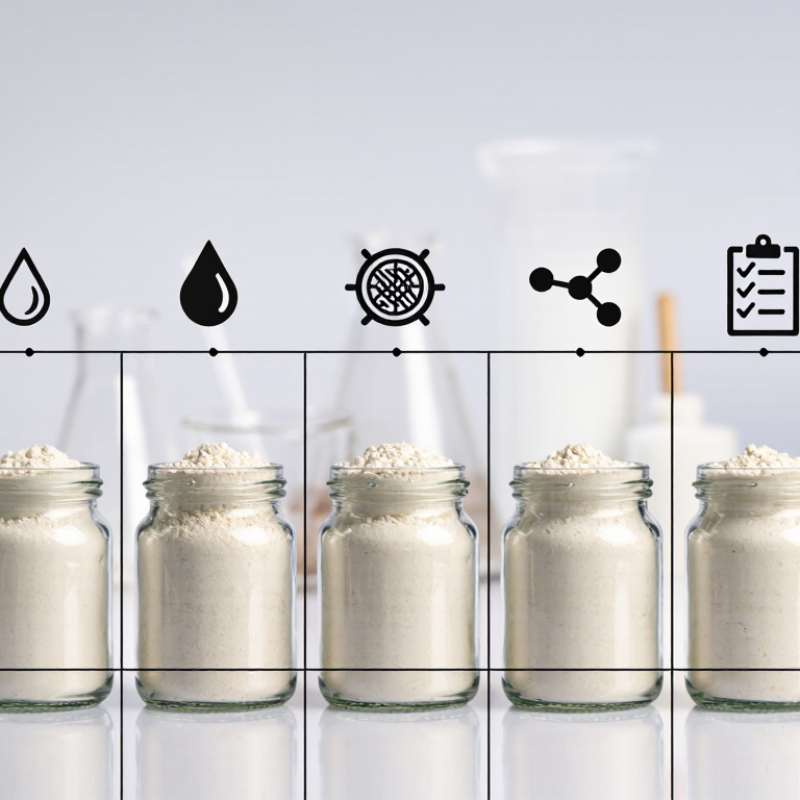
Soy protein isolate is a concentrated ingredient made from defatted soy flakes. Processing removes much of the oil and carbohydrates, leaving a powder that typically contains about 90% protein on a dry basis. Its mild flavor and pale color help it blend into many recipes.
Global buyers choose it for more than protein content. It can help emulsify sauces, hold moisture in plant-based foods, and improve texture in drinks or baked goods. A fine powder disperses more easily, though performance can vary with heat, acidity, and mixing time. Small details matter.
Still, it is not a universal fix. Soy is a major food allergen, and some consumers avoid it. Buyers should compare technical data sheets, batch test results, protein specifications, and traceability records before selecting a supplier. For international shipments, consistent specifications and clear documentation can reduce delays and costly reformulation. Ask how the ingredient behaves in your own process. Lab results are useful, but a kitchen or production trial may reveal a stubborn beany note or gritty finish. That deserves attention.
| Supplier Profile | Typical Product Focus | Key Specification to Compare | Documents to Request | Potential Buyer Fit |
|---|---|---|---|---|
| 1. Standard food-grade ISP supplier | Unflavored soy protein isolate powder for general food formulation. | Protein content, moisture, ash, fat, particle size, and dispersibility. Soy protein isolate is commonly specified at 90% protein or more on a dry basis; confirm the actual value on the product specification and certificate of analysis. | Product specification, batch-specific certificate of analysis (COA), allergen statement, and food-safety certification details. | Food manufacturers seeking a versatile protein ingredient for formulated foods. |
| 2. High-gelation functionality supplier | ISP selected for gel formation, binding, and water-holding performance. | Gel strength and test method, water-holding capacity, pH conditions, and performance in the buyer’s own recipe. These functional results can vary by grade and processing conditions. | Technical data sheet, functional test methods and results, COA, and recommended application guidance. | Processors developing products that need structure, binding, or moisture retention. |
| 3. Beverage-oriented ISP supplier | Fine-particle or specially processed grades intended for protein drinks and liquid foods. | Dispersibility, sedimentation, viscosity, flavor, and stability in the intended pH and heat conditions. Request application testing rather than relying on a generic solubility claim. | Product specification, dispersibility or solubility test details, allergen statement, and application data. | Drink and liquid-food manufacturers evaluating plant-protein formulations. |
| 4. Low-flavor ISP supplier | Grades intended to reduce beany notes in flavored or neutral-tasting products. | Flavor and odor assessed in a representative finished product; sensory results depend on formulation and processing. | Sample, sensory or application data where available, COA, and ingredient and allergen declarations. | Buyers for products where soy flavor may affect consumer acceptance. |
| 5. Non-GMO documentation-focused supplier | ISP offered with identity-preservation or non-GMO documentation options. | Confirm the exact claim, applicable verification program, chain-of-custody scope, and whether the claim covers the ingredient and shipment being purchased. | Current verification certificate or supporting documentation, traceability information, specification, and COA. | Brands and manufacturers whose sourcing policies require documented non-GMO status. |
| 6. Organic-certified ingredient supplier | ISP offered under an organic certification program applicable to the destination market. | Check certification status, certifier, product scope, handling requirements, and whether the certification is recognized for the target market. Organic status does not by itself guarantee a specific protein or functional value. | Current organic certificate, scope or product listing, transaction documentation where applicable, and COA. | Buyers making an eligible organic claim and needing compliant supply-chain records. |
| 7. Export-ready, traceable supplier | Food-grade ISP supply supported by export documentation and lot-level traceability. | Country-of-origin details, batch traceability, packaging and shelf-life information, shipment conditions, and compliance with the importing country’s requirements. | COA, specification, allergen statement, origin and traceability records, food-safety documentation, and shipment documents required by the buyer. | Importers and manufacturers sourcing across borders or managing multiple production sites. |
Buyer note: These are generic supplier profiles, not named companies or claims about specific suppliers. Soy protein isolate (ISP) is a concentrated soy protein ingredient made by removing much of the non-protein material from soy. Buyers commonly consider its protein contribution, functionality, documentation, allergen status, and suitability for the destination market. Always verify specifications and certifications against current supplier documents and the applicable regulations.
Check that protein content is at least 90% on a dry-weight basis. Confirm the measurement basis, since moisture can affect comparisons.
Request a recent, lot-specific certificate. It should list the test method, moisture, protein basis, lot number, and microbiological results.
Test samples in your own recipe. Measure dispersion, hydration, viscosity, and texture after heating.
Yes. Compare at least two production lots under the same mixing time, water temperature, and formula. Test two lots.
Ask about monthly output, lead times, minimum order quantities, and peak-season delays. Confirm what volume can actually be reserved.
Request records linking each lot to its bean origin, processing site, and shipment. Ask how buyers are notified about process changes.
Review food-safety, allergen-control, and certification records. Check that each certificate covers the actual facility and product, and confirm its validity.
No. It may miss slow communication or batch differences. A polished scorecard is useful, but it cannot replace a production trial.
Review packaging, shipping conditions, and expected exposure to heat or humidity. Details matter.
This guide explains what Isp Soy Protein Isolate is, how its high protein content and functional properties make it useful across food and nutrition applications, and why buyers around the world may choose it. It outlines practical ways to assess suppliers, including product specifications, consistency, production capacity, quality systems, certifications, documentation, and the ability to meet different order requirements.
The article also presents seven types of leading supplier options for global buyers and compares them by quality, capacity, and relevant certifications without focusing on any particular brand. For international sourcing, it highlights the importance of clear communication, sample testing, reliable logistics, transparent pricing, and careful review of product and shipping documents. Together, these considerations can help buyers make informed decisions and build dependable supply arrangements suited to their needs.

 Xinrui Group