Textured Wheat Protein has gained significant attention in the food industry. This plant-based protein offers a unique texture, making it an appealing alternative to meat. Many consumers seek healthier diets. Textured Wheat Protein aligns with this goal, providing high protein content while remaining low in fat.
The versatility of Textured Wheat Protein is evident in a variety of dishes. It can be found in plant-based burgers, salads, and stir-fries. This protein not only enhances the nutritional profile but also adds a satisfying chewiness. Food manufacturers are increasingly incorporating it into recipes. The result is a product that supports both taste and health.
However, reliance on Textured Wheat Protein can raise questions. Are consumers aware of its origins and processing methods? Transparency in sourcing is crucial. Understanding the journey of Textured Wheat Protein can deepen trust and appreciation. As this ingredient becomes more popular, ongoing discussions around its sustainability and nutritional value are essential for thoughtful consumption.
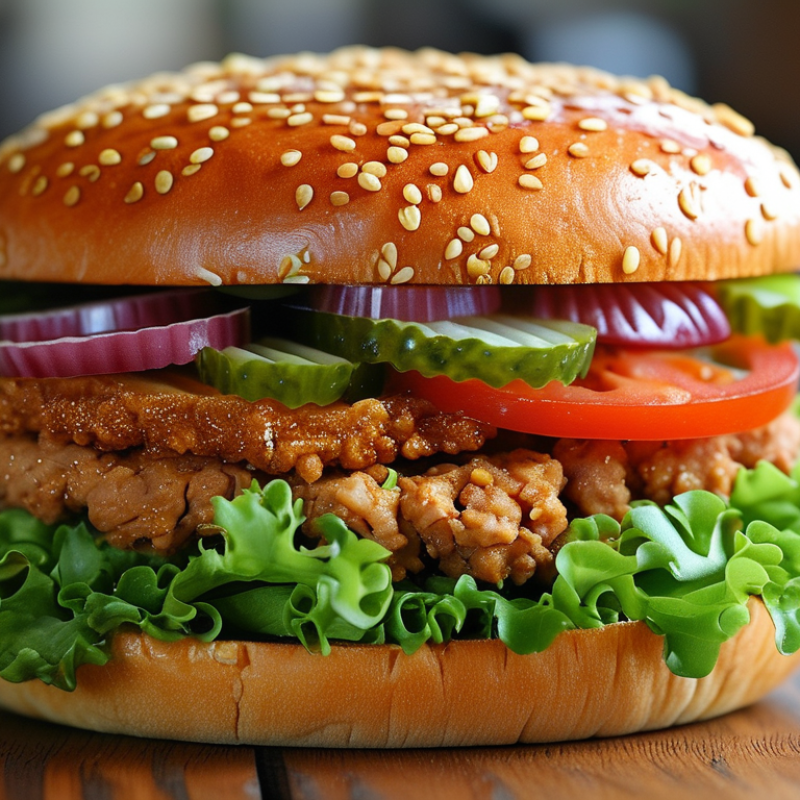
Introduction to Textured Wheat Protein and Its Uses in Food
Textured wheat protein, often referred to as wheat meat, is gaining traction in the food industry. Its versatility makes it a popular ingredient in various products, particularly in plant-based diets. This protein source mimics meat's texture, allowing consumers to experience familiar sensations without animal products. Many people appreciate its ability to absorb flavors well, enhancing the overall taste of dishes.
In addition to its culinary benefits, textured wheat protein offers a robust nutritional profile. It is rich in protein, making it an essential component for individuals seeking plant-based options. However, not everyone finds its texture appealing. Some describe it as chewy or springy, which could deter certain eaters. The production process involves heating and hydrating wheat gluten, resulting in a final product that can sometimes be perceived as overly processed.
Despite these mixed opinions, the awareness and demand for textured wheat protein continue to grow. As consumers increasingly focus on sustainable eating, this ingredient provides an alternative. The food industry must find balance, addressing potential criticisms through transparency and quality assurance. Innovation in preparation techniques can also enhance the overall experience, making textured wheat protein a valuable part of many meals.
Benefits of Textured Wheat Protein in Foods
| Benefit |
Description |
Nutritional Value |
Common Uses |
| High Protein Content |
Rich source of protein, essential for muscle repair and growth. |
Approx. 25g of protein per 100g |
Meat substitutes, protein bars |
| Versatile Texture |
Provides a chewy, meat-like texture in plant-based dishes. |
N/A |
Soups, stews, vegetarian burgers |
| Low in Fat |
Low-fat alternative to traditional meat products. |
Approx. 1g of fat per 100g |
Health-focused meals, snacks |
| High Fiber Content |
Good source of dietary fiber which aids digestion. |
Approx. 8g of fiber per 100g |
Health bars, functional foods |
| Cost-Effective Protein Source |
Often more affordable than meat, making it accessible. |
N/A |
Processed foods, meat alternatives |
Nutritional Profile of Textured Wheat Protein: Key Components Explained
Textured wheat protein, often hailed for its unique texture, offers a compelling nutritional profile. It is derived from wheat gluten, a plant-based protein that naturally contains essential amino acids. This makes it an excellent option for those seeking to boost their protein intake without relying on animal products. It typically contains around 25 grams of protein per 100 grams, making it a rich source.
In addition to protein, textured wheat protein is low in fat. This is beneficial for those looking to manage their weight while still receiving adequate nutrition. It also provides a good amount of fiber, which is essential for digestive health. However, it’s important to note that individuals with gluten sensitivities should avoid it. The protein's amino acid profile is incomplete, lacking some essential amino acids, so it is often recommended to combine it with other protein sources.
While it presents great benefits, not everyone may enjoy its texture or flavor. Some may find it tough or unappealing in certain dishes. Experimenting with different cooking methods can help enhance its palatability. Careful consideration of its nutritional aspects is vital for creating balanced meals. Each person's dietary needs differ, making it essential to approach textured wheat protein mindfully.
Functional Benefits of Textured Wheat Protein in Food Manufacturing
Textured wheat protein (TWP) is becoming increasingly popular in food manufacturing. It offers unique functional benefits that enhance both flavor and nutrition. TWP acts as a meat substitute due to its chewy texture, which mimics animal proteins. This makes it suitable for plant-based diets, appealing to various demographics. Its ability to absorb flavors enriches dishes, contributing to taste satisfaction.
In food processing, TWP can improve moisture retention. This leads to longer shelf life and better product quality. Its binding properties help in creating cohesive mixes, important for items like veggie burgers. Moreover, it can reduce the fat content in products while maintaining a satisfying mouthfeel. Consumers are looking for healthier options. TWP provides that alternative without sacrificing enjoyment.
However, not all applications are perfect. The texture can sometimes be too dense, particularly for certain profiles. Manufacturers need to experiment with ratios and ingredients to achieve optimal results. While TWP holds promise as a versatile ingredient, it requires careful consideration in formulation. Quality testing is essential to ensure that products meet both consumer expectations and nutritional standards.
Benefits of Textured Wheat Protein in Foods
Textured Wheat Protein as a Meat Alternative: Pros and Cons
Textured wheat protein, often used as a meat substitute, offers both advantages and drawbacks. Its high protein content makes it appealing to those seeking plant-based options. Many people appreciate its chewy texture, which mimics the mouthfeel of meat. This can make vegetarian or vegan dishes feel more satisfying. It also absorbs flavors well, making it versatile for various cuisines.
However, potential downsides exist. Some individuals may have gluten sensitivities, making textured wheat protein unsuitable for them. Additionally, while it is protein-rich, it lacks some essential amino acids. This means it's important to balance it with other protein sources in your diet.
Another consideration is the processing involved in creating textured wheat protein. While it can be a nutritious choice, some may question the healthiness of processed foods. It’s crucial to evaluate your overall diet. Including whole foods alongside textured wheat protein can enhance nutritional value. Being mindful of these factors helps ensure an informed decision when incorporating it into your meals.
Consumer Trends and Acceptance of Textured Wheat Protein Products
Textured wheat protein (TWP) has become increasingly popular in the food market. Recent industry reports indicate that around 23% of consumers are actively seeking plant-based protein sources. This trend aligns with the growing demand for healthier and sustainable food options. TWP can serve as an effective meat alternative, providing a similar texture and nutritional profile. Research shows that many consumers are willing to swap traditional meat products for TWP to reduce their environmental footprint.
Interestingly, acceptance varies by demographic. Younger consumers, particularly millennials and Gen Z, are more open to trying TWP products. They prioritize health benefits and sustainability. A recent survey highlighted that 45% of surveyed young adults want to incorporate more plant-based proteins into their diets. This preference is encouraging food manufacturers to innovate with TWP, leading to a surge in products like burgers, sausages, and even snacks.
Tip: If you're considering adding TWP to your diet, start with familiar recipes. Replace ground meat with TWP in chili or tacos for a smooth transition.
As TWP gains traction, it presents both possibilities and challenges. Not all consumers are familiar with textured wheat protein's taste or benefits. Education is vital for brands to build trust and preference. Companies must balance innovation with customer acceptance to effectively market TWP products.
Tip: Be open-minded when trying textured wheat protein. You may find a new favorite dish!
FAQS
: Textured wheat protein is derived from wheat gluten. It mimics meat's texture for plant-based diets.
It contains approximately 25 grams of protein per 100 grams. It is low in fat and high in fiber.
Individuals with gluten sensitivities should avoid it due to its wheat content.
Experimenting with cooking methods can enhance its taste. Try different recipes to find what you enjoy.
Yes, millennials and Gen Z are open to trying it. They focus on health and sustainability.
Not all consumers are familiar with its benefits. Education is essential to build trust and acceptance.
Yes, combining it with other proteins helps create a complete amino acid profile. Consider mixing it with legumes.
It is often used as a meat substitute in dishes like chili or tacos for a smooth transition.
Some find it chewy or tough, which may deter certain eaters. Finding the right recipes helps improve the experience.
Consumers want to understand what they eat. Transparency builds trust and addresses potential criticisms.
Conclusion
Textured Wheat Protein (TWP) has emerged as a versatile ingredient in the food industry, offering numerous benefits for food manufacturing and nutrition. This plant-based protein source is rich in essential nutrients, making it a valuable addition for those seeking healthier dietary options. It offers functional advantages, including improved texture and binding properties in various food products, while also serving as an effective meat alternative that caters to the growing demand for vegetarian and vegan options.
Despite its many advantages, the acceptance of Textured Wheat Protein among consumers can vary, influenced by factors such as taste, texture, and awareness of its health benefits. As the market evolves, understanding the nutritional profile and functional benefits of TWP can help manufacturers cater to changing consumer preferences and promote its use in new and innovative food applications.

 Xinrui Group