In today's health-conscious world, many individuals seek alternatives to traditional protein sources. Non Soy Protein Powder has emerged as a popular option. A report by Global Market Insights indicates that the plant-based protein market is expected to reach $37.5 billion by 2027. This growth reflects a shift towards cleaner, plant-derived nutrition.
Non Soy Protein Powder offers distinct benefits. It is typically lower in allergens compared to soy protein, making it suitable for a broader audience. Research suggests that many people are sensitive to soy, which can cause digestive issues. Additionally, Non Soy Protein Powder provides a complete amino acid profile, supporting muscle recovery and growth effectively.
Moreover, these protein powders often contain fewer carbs and fats. This makes them a fitting choice for those monitoring their macronutrient intake. They can be easily incorporated into smoothies, baked goods, and various meals. With the growing awareness of health and nutrition, understanding the benefits of Non Soy Protein Powder can empower consumers to make informed dietary choices. Exploring these advantages can lead to a healthier lifestyle, free from common allergens.
Understanding Non Soy Protein Powder: An Overview of Its Nutritional Profile
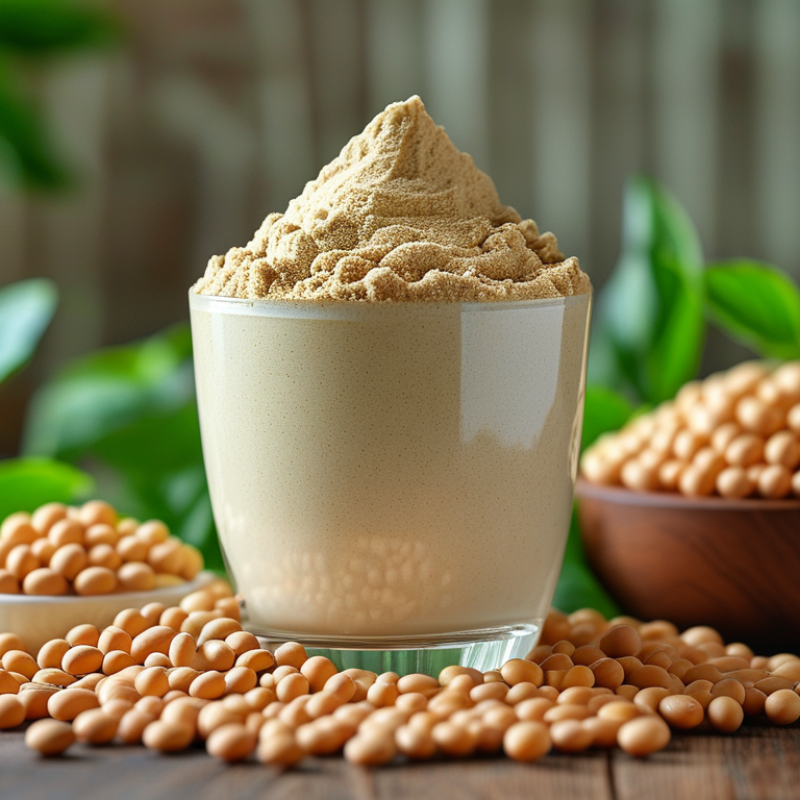
Non soy protein powder has gained attention for its unique nutritional benefits. Unlike traditional soy protein, it is derived from various plant sources. These sources often include peas, brown rice, hemp, and others. Each of these options delivers a diverse amino acid profile. This variety ensures that individuals can obtain essential proteins without relying on soy.
Many find non soy protein powders easier to digest. Some people experience discomfort with soy-based products. This alternative is often hypoallergenic. It suits those with dietary restrictions and sensitivities. Additionally, non soy protein powders are rich in vitamins and minerals. These nutrients contribute to overall health and well-being, enhancing energy levels and muscle recovery.
Despite the advantages, it's important to be aware of potential downsides. Not all non soy protein powders provide complete proteins. Combining different sources may be necessary for a balanced diet. Quality can vary, so consumers should read labels carefully. Some products may contain additives or fillers that detract from their nutritional value. A bit of research goes a long way in finding the right product for each individual's needs.
When it comes to building muscle, protein plays a crucial role. Non-soy protein powder offers unique benefits for those looking to enhance their workout recovery. Unlike soy, which can sometimes cause digestive issues, non-soy options are easier on the stomach. This can lead to better nutrient absorption. For active individuals, this is important.
In addition, non-soy protein powders, such as those made from peas or hemp, provide a complete amino acid profile. These amino acids are vital for muscle repair and growth. Quick digestion after a workout is essential. Non-soy proteins can be rapidly assimilated by the body, leading to faster recovery times. This allows individuals to return to training sooner. Each workout demands energy and nutrition, and non-soy protein meets that demand effectively.
However, it’s essential to choose a protein source that suits your body’s needs. Some people may have allergies or intolerances. Trying different types of non-soy protein might be necessary. Observing how your body responds is vital. This self-awareness can guide you in making the right choice for your muscle-building journey.
The digestive benefits of non-soy protein powder are gaining attention. Many individuals are seeking alternatives due to soy allergies or sensitivities. Non-soy protein powders can support gut health, which is essential for overall wellness. According to recent studies, around 2-3% of adults have a soy allergy. For this group, non-soy protein powders provide a viable option.
These protein sources often contain digestive enzymes that promote nutrient absorption. For instance, pea protein is a popular choice that is gentle on the stomach. A study published in the Journal of Nutrition found that individuals consuming plant-based protein experienced fewer digestive issues compared to traditional whey protein. This illustrates the potential for non-soy options to reduce bloating and improve digestive comfort.
Additionally, non-soy protein powders can help mitigate allergic responses. A report from the American College of Allergy, Asthma, and Immunology highlights how certain individuals benefit from avoiding common allergens found in soy. The combination of easily digestible proteins and lower allergenic potential makes these alternatives appealing. However, it is crucial to be aware of individual dietary needs and reactions. Professional guidance can further enhance the experience and results of incorporating non-soy protein powders into daily nutrition.
| Benefit | Description | Scientific Evidence | Recommended Sources |
|---|---|---|---|
| Supports Digestive Health | Non soy protein powders are often easier to digest compared to soy proteins, which can cause bloating and discomfort for some individuals. | Studies show that non soy protein options like pea and hemp protein can improve gut health and aid digestion. | Pea Protein, Hemp Protein |
| Reduces Allergies | Non soy protein powders eliminate the risk of soy allergies, providing a safe alternative for those sensitive to soy. | Clinical trials indicate that individuals allergic to soy benefit from plant-based proteins without adverse reactions. | Brown Rice Protein, Pumpkin Seed Protein |
| Promotes Muscle Recovery | Contains essential amino acids that are crucial for muscle repair and growth after exercise. | Research indicates that plant proteins support muscle recovery similarly to animal proteins. | Quinoa Protein, Sunflower Seed Protein |
| Supports Weight Management | High protein intake can enhance feelings of fullness, helping to control appetite and manage weight. | Studies show that increased protein intake aids weight loss without sacrificing muscle mass. | Chia Seed Protein, Lentil Protein |
| Enhances Nutritional Profile | Non soy protein powders are often rich in vitamins and minerals, providing additional health benefits. | Nutritional analysis shows higher levels of essential nutrients in many plant-based protein powders. | Spirulina Protein, Almond Protein |
Incorporating non-soy protein powder into your diet can significantly enhance weight management and metabolism. These protein sources, often derived from peas, hemp, or rice, provide essential amino acids without common allergens. This can be crucial for individuals looking to maintain a healthy weight. They can easily fit into smoothies, oatmeal, or even baked goods, adding nutritional value without excess calories.
Research indicates that high-protein diets can boost metabolism. Protein requires more energy to digest than fats or carbohydrates, potentially leading to increased calorie burn. In addition to supporting metabolism, non-soy proteins help with satiety. They keep you feeling fuller for longer, which can reduce overall calorie intake. If you struggle with cravings, this aspect can make a significant difference.
However, not all protein powders work the same for everyone. Individual responses to dietary changes vary. Some might find certain non-soy proteins less satisfying, while others might experience digestive issues. It's essential to listen to your body and adjust your intake accordingly. Experimenting with different types may help identify what works best for you. Finding the right balance is key to achieving your weight management goals.
Non-soy protein powders are gaining popularity. They cater to various dietary restrictions while offering essential nutrition. Such alternatives often include pea, rice, or hemp protein. This makes them ideal for those who are allergic to soy or following specific diets, such as veganism or paleo.
For individuals with gluten intolerance or those avoiding dairy, non-soy protein powders serve as a great solution. They maintain high protein content without triggering allergies. This versatility allows for easy incorporation into smoothies, baked goods, or even savory dishes. Experimenting with flavors can elevate meals without compromising health goals.
Consider trying different sources of non-soy protein. Each type brings unique nutrients and textures. Pay attention to how your body reacts. Make adjustments based on your energy levels and digestion. Listen to your body; it can guide you to the best option for your lifestyle.
: Non-soy protein helps muscle recovery. It is easier to digest, which aids nutrient absorption after workouts.
Non-soy protein powders support gut health. They may reduce bloating and improve overall digestive comfort.
Common options include pea, rice, and hemp. These provide essential amino acids without triggering soy allergies.
Yes, they cater to various diets like veganism and paleo. They also work for those avoiding gluten and dairy.
Non-soy protein is rapidly digested. This quick absorption aids in faster recovery after workouts.
Yes, seeking advice can enhance your experience. Individual reactions to proteins can vary significantly.
Observing your body's response helps in selecting the right protein for muscle building and overall health.
They may lower allergenic potential, making them suitable for those allergic to soy or with sensitivities.
It can be added to smoothies, baked goods, or savory dishes. Experimenting with flavors enhances your meals.
Not necessarily. It’s important to try different types and listen to your body, as reactions can differ widely.
Non Soy Protein Powder is gaining recognition for its numerous health benefits. This alternative protein source is particularly beneficial for individuals looking to promote muscle growth and recovery, making it an excellent choice for athletes and fitness enthusiasts. Additionally, it supports digestive health and may help alleviate allergies, providing a safe option for those with sensitivities to soy-based products.
Furthermore, Non Soy Protein Powder can enhance weight management and boost metabolism, aiding those on a fitness journey to achieve their goals. Its versatility makes it suitable for various dietary restrictions, allowing individuals to incorporate it easily into different meal plans. Overall, Non Soy Protein Powder serves as a nutritious and effective protein option for a healthier lifestyle.

Xinrui Group